

Affiliate marketing strategies 2025 are evolving faster than ever, and if you want to stay ahead, you need to rethink how you approach partnerships and promotions.

Make Money With AI
Join our Partner Programs!
Boost your reputation, drive revenue and grow your business with CustomGPT.ai.
You can no longer rely on old tactics—you have to embrace new tools, trends, and techniques that actually drive results.
The landscape is more competitive, but that also means more opportunities for you to stand out and earn.
Smart affiliates are leveraging data, automation, and creative content to reach the right audience at the right time.
What works today isn’t what worked yesterday, and understanding the shifts in consumer behavior can make all the difference. You’ll need strategies that blend authenticity with performance to really capture attention.
By focusing on actionable tactics instead of hype, you can grow your commissions while building trust with your audience. You don’t have to be a marketing genius to succeed—you just need the right roadmap for 2025.
Historical Growth and Future Projections
Affiliate marketing has grown from a niche side hustle into a multi-billion-dollar industry over the past decade. You’ve probably seen how more brands are relying on affiliates, and understanding affiliate marketing strategies for beginners can help you navigate this growth effectively.
The rise of social media, influencer marketing, and advanced tracking tools has accelerated this growth dramatically. You can now measure performance in real time, making every campaign more data-driven and effective.
Looking ahead, the industry is expected to continue its upward trajectory, with AI and automation playing a bigger role in targeting and personalization. You’ll want to stay ahead of these innovations to maximize your earnings and remain competitive.
Future projections suggest that affiliate marketing will become even more integrated with e-commerce platforms and omnichannel strategies. You can leverage this integration to create seamless customer journeys that boost conversions and loyalty.
Performance Metrics and Consumer Trust
Measuring your success in affiliate marketing isn’t just about clicks and sales—you need to balance performance with building genuine trust with your audience. Using the best affiliate marketing strategies helps you not only boost metrics but also maintain credibility with your followers.
Key Metrics and Trust Factors:
- Conversion Rate: Tracks how many clicks turn into actual sales, showing how effective your campaigns really are.
- Click-Through Rate (CTR): Measures engagement and the appeal of your content or promotions.
- Customer Feedback & Reviews: Builds credibility and shows potential buyers that your recommendations are trustworthy.
- Return on Investment (ROI): Ensures your efforts are profitable, not just popular.
- Affiliate Disclosure Compliance: Maintaining transparency strengthens consumer trust and avoids legal issues.
By keeping an eye on these metrics while applying the best affiliate marketing strategies, you can grow your affiliate business sustainably and build a loyal audience that trusts your recommendations.
Affiliate Marketing Mechanics and Commission Structures
Understanding how affiliate programs pay is crucial to maximizing your earnings. Knowing the differences between commission types helps you pick the right programs and plan your strategy effectively.
| Commission Type | How It Works | When It Pays |
| Pay-Per-Sale (PPS) | You earn a percentage of the sale when a referred customer purchases a product. | After the purchase is completed. |
| Pay-Per-Click (PPC) | You get paid for every click on your affiliate link, regardless of a sale. | Immediately or on a set schedule. |
| Pay-Per-Lead (PPL) | Commissions earned when a visitor completes a specific action (form, signup). | After the lead action is verified. |
| Tiered Commission | Higher sales unlock higher commission rates. | Based on cumulative sales levels. |
| Recurring Commissions | Earn ongoing income from subscriptions or memberships. | Each recurring billing cycle. |
| Hybrid Models | Combines multiple commission types for flexibility. | According to program terms. |
Hybrid Influencer Strategies and Regional Market Variations
Combining influencer marketing with traditional affiliate tactics can give you an edge in diverse markets. Understanding regional preferences ensures your campaigns resonate and perform effectively wherever your audience is located.
Key Strategies and Regional Insights:
- Micro-Influencer Collaborations: Partner with smaller influencers in specific regions to build trust and higher engagement.
- Localized Content: Tailor promotions to reflect cultural, language, and seasonal differences for better relevance.
- Cross-Platform Integration: Use multiple channels—social media, blogs, and email—to maximize reach in different markets.
- Performance Tracking by Region: Monitor clicks, conversions, and engagement in each market to optimize strategies.
- Hybrid Campaigns: Combine influencer endorsements with affiliate links to boost credibility and sales simultaneously.
By blending hybrid influencer tactics with an understanding of regional market variations, you can drive stronger results and create campaigns that truly connect with your audience.
Integration of Paid Partnerships with Performance Models
Combining paid partnerships with performance-based affiliate models allows you to secure predictable income while still rewarding results. Understanding the different integration approaches helps you structure deals that motivate partners and drive conversions effectively.
| Integration Approach | How It Works | Benefits |
| Fixed + Commission | Partners receive a guaranteed payment plus performance-based bonuses. | Motivates affiliates while ensuring stability. |
| Influencer Sponsored Campaigns | Pay influencers upfront and track affiliate link conversions for ROI measurement. | Combines reach with measurable results. |
| CPA (Cost-Per-Acquisition) Bonuses | Extra rewards for each verified sale or lead generated. | Encourages high-quality traffic and conversions. |
| Hybrid Tracking Tools | Software monitors clicks and sales for fair compensation. | Accurate tracking and transparency. |
| Long-Term Partnerships | Build ongoing relationships that balance guaranteed payments with growth incentives. | Strengthens loyalty and performance over time. |
By applying these integration models, you can create campaigns that are both predictable and results-driven, maximizing performance and partner satisfaction.
Regional Growth Patterns: Asia Pacific vs North America
Affiliate marketing is growing worldwide, but regional trends show distinct patterns in performance and strategy adoption. Understanding the differences between Asia Pacific and North America can help you tailor your campaigns for maximum impact in each market.
| Region | Growth Drivers | Preferred Affiliate Models | Key Considerations |
| Asia Pacific | Rapid e-commerce adoption, mobile-first users | Pay-Per-Sale, Influencer Partnerships | Language diversity, mobile optimization |
| North America | Mature digital ecosystem, high consumer trust | Pay-Per-Sale, Recurring Commissions | Regulatory compliance, competitive landscape |
By analyzing these regional growth patterns, you can adapt your affiliate strategies to fit the unique behaviors and preferences of each audience, driving better engagement and results.
Creator-Driven Tactics and Micro-Network Implementation
Leveraging creator-driven tactics allows you to tap into authentic voices that resonate with your audience. You can partner with content creators who align with your niche to amplify reach and credibility in ways traditional advertising can’t.
Micro-network implementation takes this a step further by connecting smaller creators into collaborative networks. You’ll benefit from a collective audience while maintaining the personal touch and trust that individual creators bring.
By combining these approaches, you can create campaigns that are highly targeted, scalable, and genuine. You’ll not only boost conversions but also foster long-term relationships with both creators and their communities.
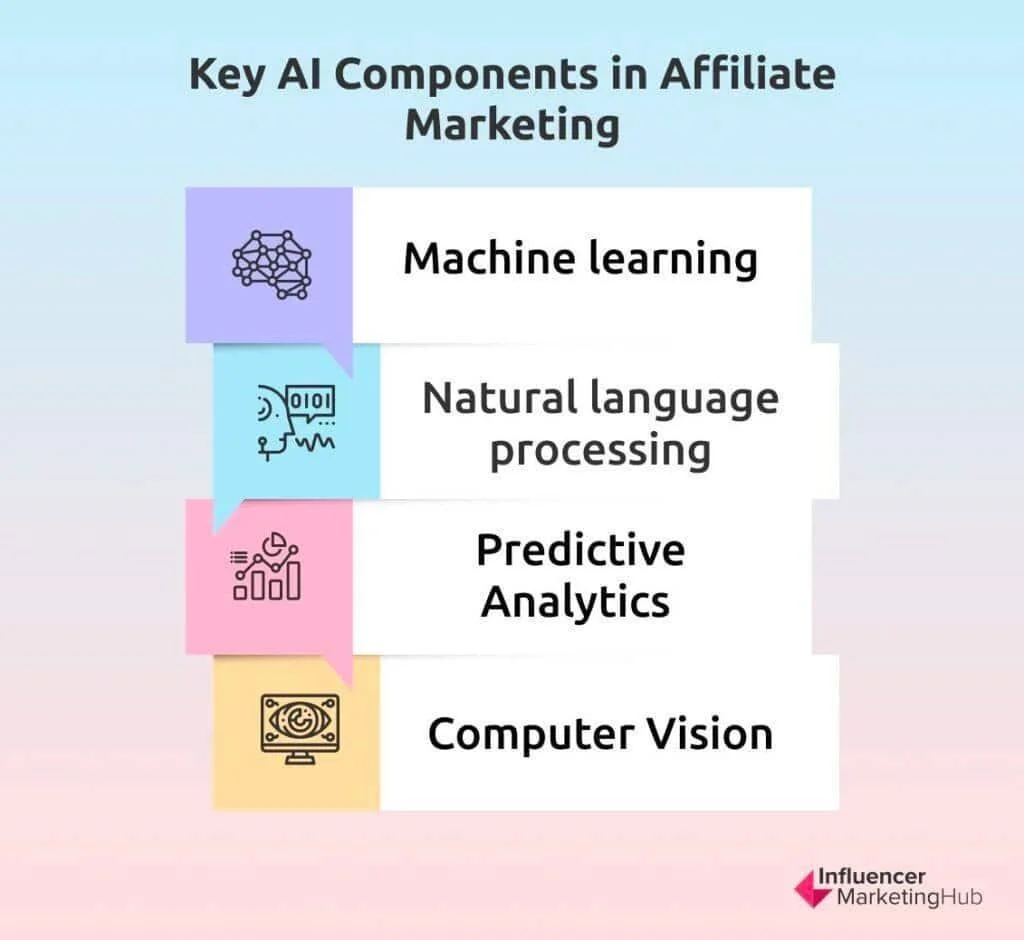
Image source: influencermarketinghub.com.
Leveraging Micro-Networks for Enhanced ROI
Micro-networks allow you to tap into tightly-knit communities that respond more authentically to recommendations. You can leverage these smaller networks to achieve higher engagement rates than with broader, generic campaigns.
By combining multiple micro-networks, you amplify reach while retaining the personalized touch that drives conversions. You’ll see that quality interactions often translate into better ROI than sheer volume.
Tracking performance across these networks gives you granular insights into what works and what doesn’t. You can adjust campaigns in real time to optimize results and maximize your affiliate earnings.
Long-term relationships with creators in these micro-networks build trust and brand loyalty. You’ll benefit from repeat conversions and sustainable growth while keeping marketing costs efficient.
Co-Branded Landing Pages and Collaborative Selling Models
Co-branded landing pages and collaborative selling models let you combine forces with partners to drive conversions more effectively. You can leverage shared branding and aligned incentives to create campaigns that benefit everyone involved.
Key Approaches and Benefits:
- Co-Branded Landing Pages: Merge your brand with a partner’s for a unified, trustworthy experience that increases conversion likelihood.
- Joint Promotions & Offers: Create limited-time deals or bundles that encourage customers to take action.
- Collaborative Content: Publish blogs, videos, or social posts together to reach a broader, yet targeted audience.
- Shared Affiliate Links: Track performance jointly to ensure fair commission distribution and transparency.
- Integrated Analytics: Monitor user behavior across both brands to optimize future campaigns.
By using co-branded pages and collaborative models, you can maximize reach, trust, and revenue while strengthening strategic partnerships for long-term success.
Data-Driven Optimization and AI Integration in Affiliate Marketing
Using data to guide your affiliate marketing decisions is no longer optional—it’s essential. You can analyze performance metrics, audience behavior, and campaign trends to make smarter, revenue-driven choices.
AI integration takes this a step further by automating insights and predictions. You’ll be able to identify high-performing content, optimize ad placements, and personalize offers at scale.
Predictive analytics allows you to anticipate consumer behavior and adjust campaigns before performance dips. You can target the right users with the right message at the right time, maximizing ROI.
By combining data-driven strategies with AI tools, you can continuously refine campaigns and scale efficiently. You’ll see better results, reduced manual effort, and a competitive edge in the ever-evolving affiliate landscape.

Image source: refgrow.com
AI-Driven Content Personalization and Performance Enhancement
AI-driven content personalization lets you deliver the right message to the right audience at the right time. You can use machine learning to tailor offers, optimize messaging, and boost engagement across all your affiliate channels.
Key AI Personalization and Performance Tactics:
- Dynamic Content Recommendations: Serve content based on user behavior and preferences to increase conversions.
- Automated Email Segmentation: Personalize email campaigns for different audience segments without manual effort.
- Predictive Analytics: Forecast which offers or products will perform best for specific audiences.
- Real-Time Optimization: Adjust ad placements, landing pages, and promotions automatically to maximize ROI.
- A/B Testing at Scale: Use AI to run continuous experiments and identify the highest-performing content variations.
By leveraging AI for content personalization and performance enhancement, you can create highly targeted campaigns that drive higher engagement, conversions, and overall affiliate revenue.
Optimizing SEO and Content Formats for Conversion
Optimizing SEO is crucial if you want your affiliate content to reach the right audience. You can target high-intent keywords and structure your content to appear in search results that drive valuable traffic.
Different content formats influence conversions differently, so experimenting is key. You’ll find that blogs, videos, product comparisons, and interactive content can each appeal to different segments of your audience.
By combining SEO best practices with varied content formats, you can guide users through the buyer journey more effectively. You’ll not only attract traffic but also increase engagement and boost your affiliate revenue.
Conclusion
Affiliate marketing in 2025 is all about combining strategy, technology, and creativity to achieve real results. By leveraging data-driven optimization, AI-powered personalization, and creator-driven campaigns, you can stay ahead of the competition and build sustainable income streams.
Understanding regional trends, micro-networks, and hybrid partnership models ensures that your campaigns are targeted, relevant, and profitable. You don’t have to reinvent the wheel—focusing on what actually works allows you to scale effectively while maintaining audience trust.
If you’re ready to take your affiliate marketing journey to the next level, explore how you can start and grow successfully through this comprehensive guide on becoming an affiliate marketer.
It walks you through proven strategies, tools, and tips to help you earn consistently and confidently.
Frequently Asked Questions
Is affiliate marketing still profitable in 2025?
Yes. Affiliate marketing can still be profitable in 2025, but it is less forgiving than it was a few years ago. The strongest results usually come from offers with recurring commissions, clear product-market fit, and verified conversion data.
Statista and Influencer Marketing Hub still describe affiliate marketing as a multi-billion-dollar channel, but the FTC’s updated Endorsement Guides mean disclosures must be clear and easy to notice. A practical filter is simple: if a merchant cannot show EPC, refund rate, and cookie duration, the offer is harder to scale profitably. This is especially true in AI categories, where buyers compare affiliate, reseller, and white-label options from tools like Jasper, Copy.ai, and CustomGPT.ai. Those buyers tend to convert better from hands-on demos, use cases, and realistic earnings expectations than from coupon pages or broad passive-income claims.
What affiliate marketing strategies actually work in 2025?
The affiliate strategies that work in 2025 are comparison-led content for high-intent searches, first-party email capture with segmented follow-ups, creator-style demos that show the product in use, and post-click optimization. For AI offers, recurring SaaS and niche automation tools convert best when you show a clear use case and ROI.
The most reliable programs usually have recurring commissions, clear attribution windows, conversion rates by traffic source, and compliance-ready assets. Before promoting an offer, check retention, payout terms, EPC, refund rate, and whether the vendor supports dedicated landing pages, demo booking, and cart-abandonment retargeting. Programs on PartnerStack and Impact often publish more of this than smaller in-house setups. A practical AI example: MIT uses CustomGPT.ai across 90+ languages with zero hallucinations, which gives affiliates a specific proof point that sells better than generic AI claims or broad tools like Jasper.
How can beginners use AI tools for affiliate marketing without sounding spammy?
Start with buyer questions, not promo copy. Let AI draft helpful answers, then only recommend tools you have tested and explain who each tool is for, what problem it solves, and when it is not a fit.
For beginners, choose affiliate offers that fix a repeat problem, have transparent pricing, include real onboarding or support, and use a standard affiliate program, not a white-label or reseller deal. Tools like ChatGPT, Jasper, or CustomGPT.ai can speed research and first drafts, but verify every claim against the vendor’s pricing page, documentation, or case studies before publishing. Add a plain disclosure such as, “I may earn a commission,” place it near the recommendation, and avoid guaranteed income or passive-income claims. The FTC says disclosures should be clear and conspicuous, not buried in a footer. For support-style content, Ontop reports cutting response time from 20 minutes to 20 seconds with AI.
What commission structure works best for affiliate partnerships in 2025?
In 2025, the best affiliate commission structure is usually hybrid: a one-time payout for the initial conversion plus recurring revenue share for subscription products. That balance keeps affiliates motivated without stretching margin or payback targets.
For low-ticket AI tools, a 20 to 40 percent recurring commission often works better than a high one-time bounty. For high-ticket services, a flat CPA or tiered payout is usually more sustainable. Set guardrails: if 60-day refunds or early churn rise above 8 to 10 percent, or commissions push CAC payback past 6 to 9 months, the structure is too aggressive. For AI-related products, partners often choose between affiliate, reseller, and white-label models; with CustomGPT.ai, Botpress, or Chatbase, the right fit depends on passive referral income versus higher-touch resale margins. BernCo’s published 4.81x ROI is a good reminder to base commissions on unit economics, and FTC disclosure rules still apply.
How do affiliates track referrals accurately in 2025?
Affiliates in 2025 track referrals accurately by combining first-party data, first-party cookies, server-to-server postbacks, UTM parameters, and unique affiliate IDs inside their partner platform or CRM. Because browser cookie loss makes basic click tracking unreliable, they also need consent-aware attribution and promo-code capture at checkout.
A practical setup is an affiliate platform such as Impact or PartnerStack that supports server-side tracking, coupon attribution, and CRM syncing. Set attribution windows, often 7 to 30 days, validate referral paths across devices, and deduplicate conversions so one sale is credited once. Then compare platform-reported conversions with checkout and CRM records to catch lost or double-counted referrals. Review EPC, approved conversion rate, reversal rate, and net ROI, not just clicks, because those metrics show whether affiliates are bringing profitable customers. Apple’s Safari ITP can reduce script-set cookie life to seven days, which is one reason postbacks often beat browser pixels for accuracy.
Can you make $10,000 a month with affiliate marketing in 2025?
Yes, some affiliates can make $10,000 a month in 2025, but it usually requires a focused niche, high-ticket or recurring offers, steady traffic, and conversion rates strong enough to stay profitable after costs. It is realistic for a minority, not a typical beginner outcome.
For example, a 5 percent commission means about $200,000 in monthly tracked sales, while a 30 percent recurring SaaS payout on a $100 plan needs roughly 334 active customers before refunds and churn. In 2025, many of the better opportunities are in AI software, chatbot, automation, and recurring SaaS programs from brands like HubSpot, Jasper, or CustomGPT.ai. The model matters because a standard affiliate deal pays per referral, while reseller or white-label arrangements can produce fewer sales but much higher revenue per customer. BernCo reported 4.81x ROI from its AI rollout, which helps explain why AI SaaS offers can support stronger commissions than low-margin retail products.