

When you dive into affiliate performance metrics, you begin to see that they’re not just data points but real indicators of how well your strategy is functioning.

Make Money With AI
Join our Partner Programs!
Boost your reputation, drive revenue and grow your business with CustomGPT.ai.
They give you a clearer view of what’s working and what’s silently weakening your conversions.
You start making smarter decisions when you focus on the indicators that genuinely influence profitability instead of surface-level numbers.
You end up navigating your campaigns with sharper control and far more confidence. You notice which partners, channels, and content types consistently deliver results and deserve more of your attention.
You also spot weak areas early, giving you room to fix, optimize, or replace them before they cost you revenue.
You build a strategy that compounds in value because every decision becomes informed by real performance signals.
You also develop a system that evolves gracefully with shifts in audience behavior, competition, and platform algorithms.
The Role of Metrics in Affiliate Marketing
Metrics shape how you evaluate performance, refine partnerships, and scale what truly drives profit in your affiliate ecosystem. They give you a data-driven lens that replaces guesswork with clarity and intentional action.
Key Signals You Should Pay Attention To
- Conversion data that reveals how efficiently your traffic turns into revenue
- Click-through trends that show whether your messaging and placements resonate
- Partner-level comparisons that highlight who deserves more promotion
- Revenue attribution models that uncover which touchpoints actually influence sales
- Engagement indicators that expose audience behavior shifts early
By treating metrics as your navigation system rather than optional extras, you keep your strategy aligned with what generates consistent growth.
Key Terminology and Definitions
Understanding core terms helps you interpret data correctly and communicate clearly across campaigns, platforms, and partner networks. It also ensures you make decisions based on precise meanings rather than assumptions.
Foundational Concepts You Should Know
- Conversion rate: the percentage of visitors who complete a desired action
- EPC (earnings per click): the average revenue generated from each click you drive
- AOV (average order value): the typical amount spent per customer transaction
- Attribution model: the rule set that decides which touchpoint gets credit for a sale
- Cookie duration: the time window in which your referral can still earn commission
With these definitions locked in, you can analyze performance with accuracy and avoid misinterpreting critical signals.

Image source: everstage.com
Traffic Metrics: Measuring Audience Reach
Tracking how your audience moves through your ecosystem helps you understand whether your reach is expanding, stagnating, or attracting the wrong kinds of visitors. It also shows you which channels deserve deeper investment.
Signals That Reveal Your True Visibility
- Unique visitors that show how many individual people your content attracts
- Page views that indicate how often users engage with your affiliate pages
- Traffic source breakdowns that reveal which channels supply the strongest reach
- New vs. returning visitor ratios that highlight audience growth or loyalty
- Device and location data that uncover behavioral patterns across segments
With these indicators guiding you, you can scale the channels that bring real visibility and trim the ones wasting your energy.
Impressions and Their Impact
Impressions help you understand how often your content or affiliate links are being displayed, giving you a clear picture of visibility before user engagement even begins.
They act as an early-stage signal that shows whether your placements, creatives, or channels are strong enough to capture attention at scale.
| Metric | What It Indicates | Why It Matters |
| Impressions | Total number of times your content is shown | Measures raw visibility and exposure |
| Impression Share | Percentage of total possible impressions you captured | Shows competitiveness within a placement or channel |
| Cost per Mille (CPM) | Cost per thousand impressions | Helps you evaluate efficiency of paid visibility |
| Viewability Rate | Percentage of impressions actually seen by users | Highlights real exposure versus wasted placements |
| Frequency | Average number of times a user sees your content | Indicates potential saturation or underexposure |
Clicks: Gauging Audience Interaction
Clicks act as the first meaningful indicator that your audience isn’t just seeing your content but actively responding to it. They show you whether your messaging, visuals, and placements are compelling enough to trigger curiosity.
When click patterns rise, you gain insights into which channels and creatives resonate most strongly with your audience. You also uncover which touchpoints consistently fail to spark engagement and need strategic adjustment.
A high click-through rate often signals strong alignment between user intent and your offer’s positioning. It also helps you identify opportunities to scale high-performing segments before competitors catch on.
By monitoring click behavior over time, you start recognizing seasonal patterns, attention spikes, and content fatigue. You also gain the ability to predict audience reactions more accurately, allowing you to optimize ahead of the curve.
Engagement Metrics: Evaluating Audience Interest
Engagement metrics help you understand how deeply users interact with your content after the initial click, revealing whether your message actually holds attention. They also show you which experiences spark curiosity and which ones lose people too quickly.
Indicators That Reveal True Audience Involvement
- Time on page that shows how long users stay engaged with your content
- Scroll depth that uncovers how far users explore before dropping off
- Bounce rate that signals immediate disengagement or mismatched expectations
- Session duration patterns that highlight overall interaction quality
- Micro-engagements like button clicks, video plays, or tab expansions that reveal interest intensity
By tracking these signals, you gain a clearer picture of what keeps your audience invested and where improvements can drive stronger engagement.
Understanding Click-Through Rates (CTR)
Click-through rate (CTR) gives you a direct measure of how effectively your content motivates users to take action after seeing your link or creative. It captures the relationship between impressions and clicks, turning raw visibility into meaningful interaction data.
When CTR rises, you gain confirmation that your offer, copy, or placement aligns with what your audience actually wants. It also indicates that your messaging successfully cuts through noise and triggers the curiosity needed to drive movement.
A low CTR, on the other hand, signals friction—whether that’s weak creative, poor relevance, or misaligned audience targeting. It gives you an early warning system that something in your funnel isn’t resonating before it impacts conversions further downstream.
By consistently monitoring CTR trends across platforms and campaigns, you develop a sharper sense of which elements deserve scaling and which require refinement. You also gain the ability to iterate faster, optimizing your approach with targeted, data-backed adjustments.
Analyzing Engagement Through Creative Placements
Creative placement analysis helps you understand how your audience responds to different positions, formats, and visual arrangements across your content. It also reveals which layouts naturally guide users toward interaction and which ones cause them to overlook key elements.
Signals That Show How Placement Shapes Engagement
- Above-the-fold positioning that captures attention before users scroll
- Sidebar or in-content placements that blend naturally with reading flow
- End-of-article spots that convert highly engaged readers
- Mobile-optimized layouts that prevent interaction loss on smaller screens
- Dynamic placements that adapt based on user behavior or page structure
By tracking these indicators, you can design experiences that elevate engagement instead of relying on guesswork.
Conversion Metrics: Assessing Campaign Effectiveness
Conversion metrics reveal how well your traffic turns into tangible results, giving you a precise view of whether your campaigns are actually driving revenue. They also uncover where users drop off, helping you optimize every step of the funnel with intent.
Signals That Show Your True Performance Power
- Conversion rate that reflects how efficiently clicks become completed actions
- CPA (cost per acquisition) that reveals the real cost of generating a customer
- Sales volume patterns that highlight profitable periods or underperforming phases
- Lead quality indicators that show whether your funnel attracts the right audience
- Funnel drop-off points that expose where users lose interest or face friction
By monitoring these metrics closely, you gain the clarity needed to scale winning strategies and refine the areas holding your performance back.
Conversion Rate: The King of KPIs
Conversion rate stands at the center of performance evaluation because it shows the percentage of users who complete the action you’re aiming for. It transforms raw traffic into meaningful outcomes, letting you see whether your funnel truly persuades or simply attracts empty clicks.
When your conversion rate climbs, you gain proof that your messaging, targeting, and landing experience are aligned with user expectations. It also indicates that your audience finds real value in the offer, reducing the need for excessive spend to achieve results.
A declining conversion rate, however, signals that something in the journey is breaking—whether it’s relevance, trust, or usability. By keeping a close eye on these shifts, you can diagnose issues early and adjust your strategy before they have a long-term impact.
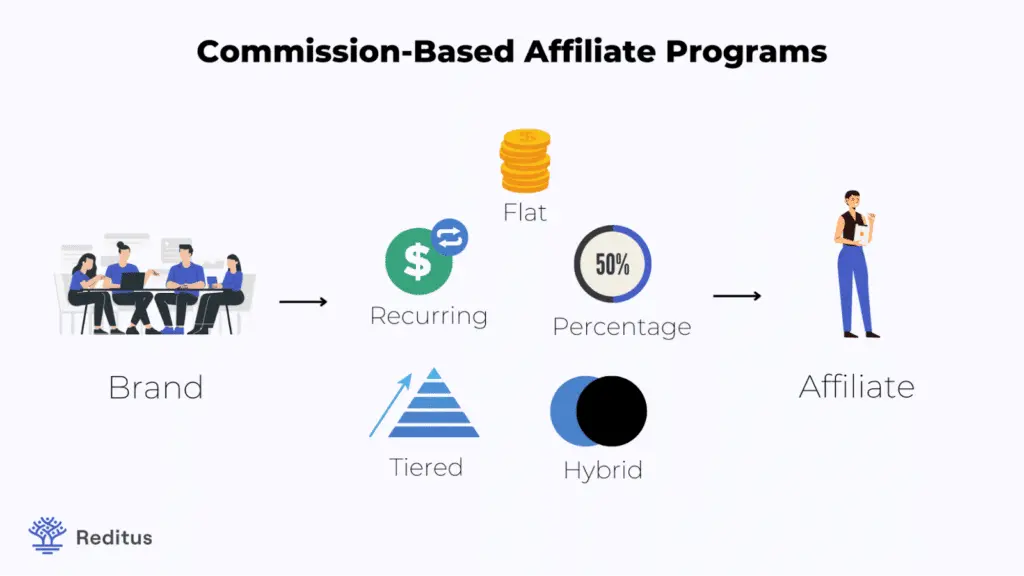
Image source: getreditus.com
Average Order Value (AOV) and Its Significance
Average order value shows you how much revenue each customer typically generates per transaction, giving you a clearer picture of the financial strength behind your conversions. It also helps you understand whether your funnel attracts high-value buyers or low-intent shoppers.
Signals That Reveal Revenue Depth
- Typical spend per transaction that highlights customer purchasing behavior
- Upsell and cross-sell impact that shows how well you maximize each order
- Product mix patterns that reveal which items drive higher value
- Pricing strategy effects that influence how much users are willing to pay
- Seasonal or campaign-based AOV shifts that uncover opportunities for revenue boosts
By tracking these indicators, you can design strategies that lift total revenue without relying solely on more traffic or higher conversion volume.
Revenue Metrics: Linking Traffic to Profitability
Revenue metrics help you understand how efficiently your traffic translates into actual income, giving you a direct view of financial performance. They connect audience behavior with monetary outcomes so you can see which efforts are truly profitable.
When revenue rises alongside steady traffic, you gain confirmation that your funnel, offer positioning, and audience targeting are aligned. You also get a clearer picture of which segments produce the highest-value actions.
When revenue plateaus or drops despite solid engagement, you uncover signs of pricing issues, mismatched offers, or weak monetization points. You also gain early warnings that help you adjust before performance declines further.
By examining revenue sources across channels and campaigns, you start understanding where your strongest profit centers live. You also build a sharper strategy that focuses on scaling the traffic that delivers the highest return.
Retention Metrics: Ensuring Long-Term Success
Retention metrics show you how well you maintain relationships with users after their first interaction, revealing whether your funnel creates lasting value or just one-time wins. They also help you understand how stable and predictable your revenue becomes over time.
Signals That Show Loyalty and Long-Term Health
- Repeat purchase rate that indicates how often customers return
- Customer lifetime value (CLV) that reflects total revenue per user over time
- Churn rate that shows how quickly you lose previously converted users
- Engagement frequency that highlights ongoing interest in your content or offers
- Renewal or subscription continuation rates that reveal sustained satisfaction
By tracking these indicators, you strengthen your ability to build a durable performance model instead of relying on inconsistent, one-off conversions.
Affiliate Retention Strategies
Keeping affiliates engaged requires ongoing value, support, and motivation, ensuring they continue promoting your offers over the long run. It also helps you maintain a stable revenue pipeline rather than constantly recruiting new partners.
Tactics That Strengthen Long-Term Partner Commitment
- Regular communication that keeps affiliates informed and supported
- Competitive commission structures that reward consistent performance
- Exclusive offers or bonuses that make partners feel prioritized
- Training resources that help affiliates improve their promotional skills
- Feedback loops that show affiliates their input matters and influences decisions
By applying these strategies, you create an ecosystem where affiliates feel valued, empowered, and motivated to stay with you over time.

Image source: linkedin.com
Customer Lifetime Value (CLV) in Affiliate Marketing
Customer lifetime value (CLV) helps you understand the total revenue a customer generates throughout their relationship with your brand, giving you a long-range view of profitability. It shifts your perspective from short-term wins to sustained growth fueled by loyal users.
When CLV rises, you gain confirmation that your acquisition channels attract high-quality customers who stick around. You also get a clearer view of which influencers, funnels, or content types bring in users with strong long-term potential.
A low CLV often signals weak retention, mismatched expectations, or poor product-market fit. It also gives you an early warning that you may be overspending on traffic that doesn’t justify its acquisition cost.
By analyzing CLV across segments and campaigns, you begin refining your strategy toward the channels that generate durable value. You also position your affiliate program to grow through deeper relationships rather than constant churn.
FAQ
What are the most important metrics to track in affiliate marketing?
You should focus on conversion rate, CTR, AOV, CLV, and revenue attribution because they reflect true performance and profitability.
Why is conversion rate considered the top KPI?
It shows how effectively your traffic turns into meaningful actions, making it the clearest indicator of campaign success.
How does AOV affect overall revenue?
A higher AOV increases total earnings without needing more traffic, helping you scale profit more efficiently.
What causes a drop in CTR?
Weak creative, poor placements, or mismatched targeting often reduce click interest and engagement.
How does CLV improve affiliate strategy?
It reveals which channels bring long-term customers, allowing you to invest in traffic that produces sustained value.
Conclusion
Understanding and tracking the right metrics gives you the power to move beyond guesswork and build strategies rooted in real performance signals. You gain sharper visibility into how users behave, where revenue comes from, and which levers genuinely drive growth.
When you combine these insights with intentional optimization, you turn your affiliate system into a predictable engine that improves with every campaign. You also create a roadmap that guides your decisions based on data rather than trends or assumptions.
By relying on metrics that matter—from CTR and conversions to AOV and CLV—you set yourself up for long-term success built on clarity, consistency, and compounding results.
If you want a guided path to sharpening your skills, scaling campaigns, and building a resilient affiliate business, explore the full guide to how to be a successful affiliate marketer.