
How to Use AI to Market and Grow a SaaS Business: A Guide for Agencies
AI for SaaS marketing is reshaping how agencies help software companies attract users, personalize outreach, and scale faster without bloated budgets.

Make Money With AI
By blending automation with data-driven insights, agencies can move beyond guesswork and build marketing engines that learn, adapt, and convert more efficiently.
For agencies supporting SaaS brands, AI unlocks smarter positioning, sharper targeting, and measurable growth at every stage of the funnel.
This guide breaks down how to apply AI strategically so your agency can deliver stronger results, stand out competitively, and drive sustainable SaaS growth.
Using AI to Accelerate SaaS User Acquisition
AI gives marketing agencies a powerful advantage when helping SaaS clients acquire users faster and more efficiently.
By leveraging AI for SaaS marketing, agencies can uncover high-intent audiences, optimize spend in real time, and build scalable acquisition systems that consistently outperform manual approaches.
Instead of relying on slow experimentation cycles, AI-driven user acquisition allows agencies to predict what will convert and double down on winning channels.
This creates a repeatable growth model that supports long-term SaaS growth while keeping acquisition costs under control.
AI-Powered Audience Targeting and Segmentation
AI analyzes behavioral data, firmographics, and intent signals to identify which prospects are most likely to convert. This enables agencies to move beyond broad personas and create dynamic segments that evolve as user behavior changes.
Ways AI enhances audience targeting for SaaS campaigns
- Identifies high-intent users based on real-time behavior and engagement patterns
- Builds micro-segments tailored to specific SaaS use cases or pain points
- Continuously refines targeting as new data flows in
- Reduces wasted ad spend by excluding low-conversion audiences
Smarter segmentation ensures SaaS campaigns reach the right users at the right time, improving both efficiency and conversion rates.
Predictive Lead Scoring for Faster Conversions
AI-powered lead scoring helps agencies prioritize prospects who are most likely to become paying SaaS customers. By analyzing historical data and live engagement signals, AI predicts conversion probability with greater accuracy than static scoring models.
Key benefits of AI-driven lead scoring
- Automatically ranks leads based on conversion likelihood
- Aligns marketing and sales teams around high-value prospects
- Shortens sales cycles by focusing on ready-to-buy users
- Improves ROI across SaaS marketing channels
Predictive scoring allows agencies to turn data into faster decisions, accelerating pipeline growth for SaaS clients.

Optimizing Paid Media with AI
AI transforms paid SaaS advertising by automating bid adjustments, creative testing, and budget allocation across channels. Agencies can scale successful campaigns while minimizing performance dips caused by manual optimization delays.
How AI improves paid media performance
- Adjusts bids dynamically based on conversion signals
- Tests ad creatives and messaging at scale
- Allocates budget toward top-performing campaigns automatically
- Identifies underperforming ads before spend is wasted
With AI optimization, agencies can deliver consistent acquisition results while managing campaigns more efficiently.
AI-Driven Content and SEO for Demand Generation
AI helps agencies create and optimize SaaS content that aligns with real user intent, improving organic acquisition over time. From keyword analysis to performance forecasting, AI supports smarter SEO and content strategies.
AI use cases in SaaS content and SEO
- Identifies high-impact keywords and content gaps
- Optimizes on-page elements for better search visibility
- Predicts which topics will drive qualified SaaS traffic
- Personalizes content recommendations based on user behavior
By combining AI-driven insights with strong messaging, agencies can build sustainable organic growth engines for their SaaS clients.
Improving SaaS Onboarding and Activation with AI
AI plays a critical role in turning newly acquired users into active, value-driven customers by personalizing the onboarding experience.
For agencies focused on SaaS growth, AI-driven onboarding helps reduce friction, accelerate time-to-value, and increase product adoption without adding operational complexity.
Rather than offering a one-size-fits-all journey, AI allows agencies to design onboarding flows that adapt to user behavior in real time. This ensures every user receives the right guidance, messaging, and support at the moment they need it most.
Personalized Onboarding Journeys with AI
AI analyzes user roles, goals, and early product behavior to tailor onboarding paths for each SaaS user. This personalization helps users understand value faster and reduces drop-off during critical first interactions.
How AI personalizes SaaS onboarding experiences
- Customizes onboarding flows based on user intent and use case
- Adjusts messaging dynamically as users interact with the product
- Highlights features most relevant to individual users
- Reduces cognitive overload by showing only what matters
Personalized onboarding improves activation rates and sets the foundation for long-term customer retention.
AI-Powered In-App Guidance and Tooltips
AI enables smarter in-app guidance by delivering contextual prompts exactly when users need help. Agencies can use this to guide SaaS users toward key actions without overwhelming them.
Benefits of AI-driven in-app assistance
- Triggers tooltips based on real-time user behavior
- Reduces reliance on external documentation and support tickets
- Improves feature discovery and product engagement
- Scales onboarding without increasing support costs
Context-aware guidance keeps users moving forward and builds confidence early in the product experience.
Predicting Drop-Off Risk During Onboarding
AI can identify early signals that indicate whether a user is likely to abandon the onboarding process. This allows agencies to intervene before disengagement turns into churn.
Ways AI detects onboarding friction
- Monitors inactivity or stalled onboarding steps
- Flags users who skip critical activation actions
- Identifies patterns linked to historical drop-offs
- Enables proactive nudges or support outreach
By acting on predictive insights, agencies can protect activation rates and improve overall SaaS performance.
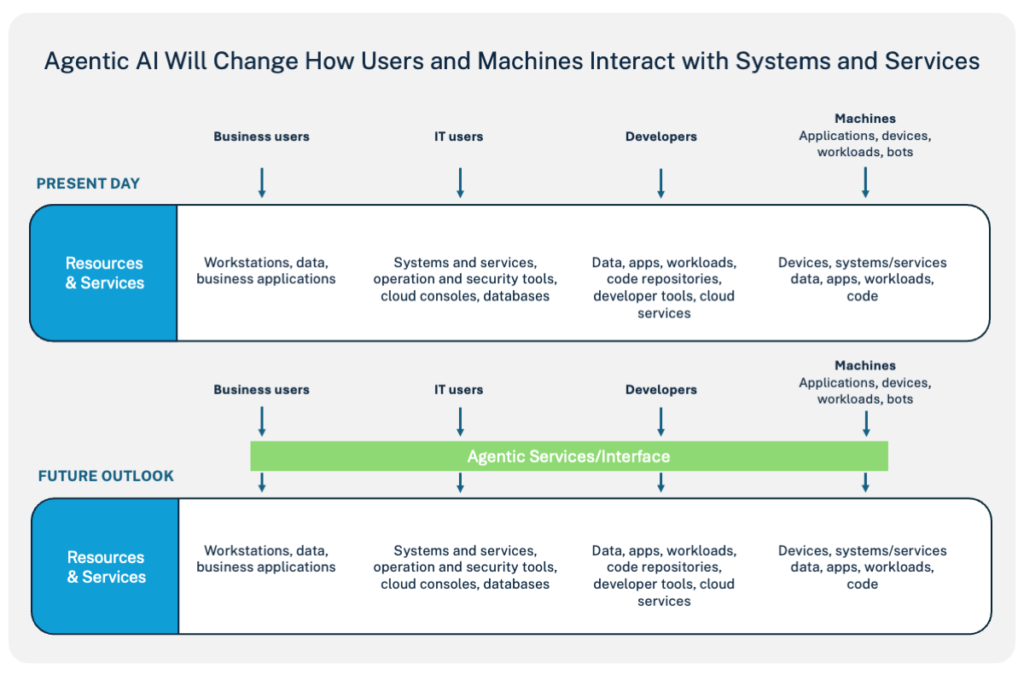
Automating Onboarding Emails and Messages
AI-driven marketing automation helps agencies deliver onboarding emails and in-app messages that adapt to each user’s progress. This ensures communication feels timely and relevant rather than generic.
AI advantages in onboarding communication
- Sends behavior-triggered emails and messages
- Optimizes timing based on engagement patterns
- Personalizes content using real user data
- Improves open rates and onboarding completion
Automated, intelligent communication helps users stay engaged until they fully realize the product’s value.
Driving SaaS Retention and Long-Term Growth with AI
Retention is where SaaS growth compounds, and AI gives agencies the tools to protect and expand recurring revenue. By applying AI-driven retention strategies, agencies can identify churn risks early, personalize engagement, and continuously reinforce product value for SaaS customers.
Instead of reacting to churn after it happens, AI enables proactive retention by predicting user behavior and triggering timely interventions. This shifts retention from a support function into a scalable growth lever for SaaS clients.
Predicting Churn with AI
AI analyzes usage patterns, engagement frequency, and historical churn data to flag at-risk users before they disengage completely. This allows agencies to act early with targeted retention campaigns.
How AI identifies churn risk in SaaS products
- Detects declining product usage and engagement signals
- Identifies behaviors that historically precede cancellations
- Scores users based on churn probability
- Enables proactive outreach before dissatisfaction escalates
Early churn prediction empowers agencies to retain more users while reducing reliance on reactive support.
Personalized Engagement to Increase Retention
AI helps agencies deliver personalized content, messaging, and product recommendations that keep users engaged over time. This ensures SaaS customers continue to see value as their needs evolve.
AI-driven personalization for SaaS retention
- Recommends features based on individual usage patterns
- Tailors messaging to user maturity and lifecycle stage
- Delivers relevant updates and tips at the right time
- Strengthens emotional connection to the product
Personalized engagement increases stickiness and builds long-term customer loyalty.
AI-Optimized Customer Success Outreach
AI enables smarter customer success by prioritizing accounts that need attention most. Agencies can use AI insights to guide outreach efforts and improve expansion opportunities.
Benefits of AI in customer success strategies
- Prioritizes high-risk or high-value accounts
- Suggests next-best actions for customer success teams
- Improves upsell and cross-sell timing
- Aligns success efforts with real usage data
Smarter outreach helps agencies turn customer success into a predictable revenue driver.
Using AI Feedback Analysis to Improve Retention
AI can analyze user feedback from surveys, reviews, and support tickets to uncover recurring friction points. This helps agencies guide SaaS clients toward product improvements that directly impact retention.
How AI enhances feedback analysis
- Categorizes feedback at scale using sentiment analysis
- Identifies trends that impact long-term satisfaction
- Highlights feature requests tied to churn or expansion
- Informs data-backed product and messaging decisions
By closing the loop between feedback and action, agencies help SaaS clients continuously improve retention outcomes.
Operationalizing AI for Scalable SaaS Growth
For marketing agencies, the real advantage of AI comes from how well it is embedded into daily workflows and client delivery. Operationalizing AI allows agencies to scale SaaS growth efforts consistently while maintaining performance, quality, and strategic control.
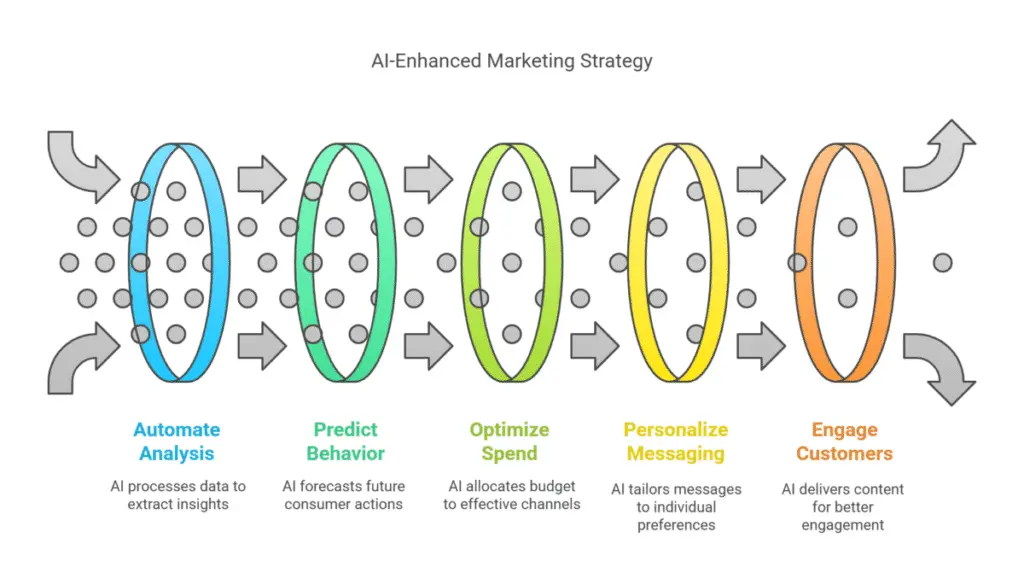
Rather than treating AI as a collection of disconnected tools, agencies that succeed integrate AI across acquisition, onboarding, and retention. This creates a unified growth system that compounds results and supports long-term SaaS success.
Building an AI-Driven SaaS Growth Stack
A well-structured AI stack helps agencies support SaaS clients across the entire customer lifecycle. By selecting tools that work together, agencies can streamline execution and avoid operational complexity.
Core components of an AI-powered SaaS marketing stack
- AI tools for audience targeting and campaign optimization
- Behavioral analytics platforms for product and lifecycle insights
- Marketing automation systems enhanced with AI decisioning
- AI-powered reporting and forecasting tools
A cohesive AI stack ensures agencies can scale SaaS growth without sacrificing clarity or control.
Standardizing AI Workflows Across Clients
Standardized workflows allow agencies to deliver consistent results while managing multiple SaaS clients efficiently. AI plays a key role in automating repeatable tasks and enforcing best practices.
How AI supports scalable agency workflows
- Automates data analysis and performance reporting
- Applies proven optimization rules across accounts
- Reduces manual intervention in campaign management
- Improves consistency across SaaS client engagements
Standardization powered by AI enables agencies to grow their client base without increasing operational overhead.
Measuring AI Impact on SaaS Growth
To justify continued investment, agencies must clearly measure how AI influences SaaS performance. AI-driven analytics make it easier to connect marketing actions to real business outcomes.
| AI Application Area | Key SaaS Metrics Impacted | Agency Value |
| User acquisition | CAC, conversion rate | Faster scaling |
| Onboarding | Activation rate, TTV | Higher adoption |
| Retention | Churn, LTV | Revenue stability |
Clear measurement builds trust with SaaS clients and reinforces the strategic value of AI-led growth.
Training Teams to Use AI Strategically
AI delivers the greatest returns when agency teams understand how to apply it thoughtfully. Training ensures AI supports strategy rather than replacing it.
Best practices for AI enablement in agencies
- Educate teams on interpreting AI insights, not just outputs
- Define clear guardrails for automation and decision-making
- Encourage experimentation backed by data
- Align AI usage with client growth goals
Well-trained teams turn AI into a competitive advantage rather than a black box.
Positioning AI-Driven SaaS Growth as a Premium Agency Offering
As AI becomes more accessible, agencies that differentiate themselves are those that position AI as a strategic growth capability rather than a technical add-on.
By framing AI for SaaS marketing around outcomes like faster growth, lower churn, and higher lifetime value, agencies can elevate their services and command premium retainers.
Clients don’t buy AI tools—they buy results, clarity, and confidence in execution. Agencies that clearly communicate how AI accelerates SaaS growth across the lifecycle are better positioned to win, retain, and expand high-value SaaS accounts.
Framing AI as a Growth Strategy, Not a Tool
AI resonates more with SaaS decision-makers when it’s positioned as a growth system rather than software. Agencies should focus messaging on business impact instead of technical complexity.
How to reposition AI in SaaS client conversations
- Lead with outcomes like revenue growth and efficiency gains
- Tie AI initiatives directly to acquisition, activation, and retention goals
- Avoid overemphasizing tools in favor of strategy and execution
- Use real performance benchmarks to reinforce credibility
This framing helps SaaS clients see AI as a long-term investment, not an experiment. Clear positioning transforms AI from a feature into a core part of the agency’s value proposition.
Packaging AI Services Into Scalable Offers
Well-defined AI service packages make it easier for SaaS clients to understand value and for agencies to scale delivery. Packaging also reduces friction in the sales process.
Elements of strong AI-powered SaaS growth packages
- Defined outcomes tied to specific lifecycle stages
- Clear deliverables supported by AI-driven workflows
- Transparent pricing aligned with business impact
- Built-in optimization and reporting frameworks
Strong packaging simplifies buying decisions while reinforcing premium positioning.
Demonstrating ROI with AI-Driven Insights
SaaS clients expect proof that AI initiatives drive measurable growth. Agencies that clearly demonstrate ROI build trust and long-term partnerships.
| AI Use Case | Business Outcome | Client Impact |
| Predictive targeting | Higher-quality leads | Lower CAC |
| Personalized onboarding | Faster activation | Increased adoption |
| Churn prediction | Retained customers | Higher LTV |
ROI-focused reporting shifts conversations from cost to value. When clients see tangible results, AI becomes central to renewal and expansion discussions.
Future-Proofing SaaS Clients With AI
AI adoption isn’t just about current performance—it’s about long-term competitiveness. Agencies that guide SaaS clients through AI maturity help them stay ahead of evolving markets.
Ways agencies future-proof SaaS growth with AI
- Continuously refine models using new behavioral data
- Adapt strategies as user expectations change
- Test emerging AI capabilities responsibly
- Build flexible systems that scale with the product
By acting as strategic AI partners, agencies secure deeper relationships and sustained growth opportunities.
Conclusion
AI is no longer a future advantage for SaaS growth—it’s a present-day requirement for agencies that want to deliver faster results across acquisition, onboarding, and retention.
When applied strategically, AI helps agencies move from reactive execution to proactive growth, turning data into clear actions that scale with their SaaS clients.
For agencies looking to turn AI-driven SaaS growth into a revenue multiplier, aligning strategy, execution, and partnership is key. Explore how co-selling AI solutions can help you expand your offerings, close larger deals, and grow alongside your SaaS clients.




Frequently Asked Questions
Can AI help a small agency scale SaaS outreach without hiring more staff?
Yes. AI can help a small agency scale SaaS outreach by automating account research, segmenting prospects, drafting personalized messaging, and handling more follow-up from the same approved product content. Alan Moore, Founder & CEO of TaxWorld, said, “CustomGPT.ai let us punch far above our weight. With almost no engineering budget we built an assistant that now answers tens of thousands of complex tax questions and fuels our revenue growth every month.” For agencies, the biggest win is usually better personalization and faster execution with the team you already have.
How do agencies keep SaaS messaging consistent when using AI?
Use one approved source of truth and a retrieval-based setup. Load product docs, positioning, objections, onboarding content, and case studies into the assistant, then require answers to come from those sources with citations. That helps keep ad copy, sales replies, lifecycle emails, and support responses aligned. A relevant benchmark in the provided materials states that CustomGPT.ai outperformed OpenAI in RAG accuracy, which matters when consistency depends on pulling the right source material instead of guessing.
What data do you actually need for AI lead scoring in SaaS marketing?
Start with behavioral data, firmographics, and intent signals. Historical conversion data makes the model more useful because it helps connect those inputs to actual revenue outcomes. The goal is to rank leads by conversion likelihood so marketing and sales can focus on the highest-value prospects first, shorten the sales cycle, and improve ROI.
What kind of AI tool is best for a SaaS marketing agency?
The best fit is usually a stack, not one tool. Use a general generative tool for ideation and first drafts, and use a retrieval-based assistant when answers must stay accurate to product docs, FAQs, transcripts, and support content. That combination helps with campaign creation on one side and grounded responses for chat, email, and sales enablement on the other. Evan Weber, a digital marketing expert, said, “I just discovered CustomGPT, and I am absolutely blown away by its capabilities and affordability! This powerful platform allows you to create custom GPT-4 chatbots using your own content, transforming customer service, engagement, and operational efficiency.”
Can AI reduce wasted ad spend and improve trial-to-paid conversion for SaaS?
Yes, when you use it for targeting, segmentation, and message matching across the funnel. The provided source content notes that AI can identify high-intent users, refine segments as new data arrives, and exclude low-conversion audiences, which helps reduce wasted ad spend. TaxWorld reported a 97.5% success rate across 189,351 queries, 740 subscribers with only 8 cancellations, and 200% year-over-year revenue growth. Those results do not isolate paid media alone, but they do show how stronger intent matching and follow-up can support better conversion and retention.
Can AI personalize SaaS onboarding without adding a 24/7 support team?
Yes. An onboarding assistant can use help docs, product guides, videos, and FAQs to answer routine questions instantly through a widget, live chat, search bar, or API-based experience. Personalization works best when guidance is tailored by role, use case, language, and stage of adoption. The supported feature set includes multi-source knowledge ingestion, citation support, and 92+ languages, which makes scalable onboarding more practical without adding a matching support headcount.
How hard is it to roll out AI for a SaaS marketing agency with a small team?
It is usually easiest when you start narrow. Pick one use case such as lead qualification, FAQ handling, or onboarding support, connect the content you already trust, and expand only after the team sees reliable results. Kevin Petrie, an industry analyst, said, “Alden Do Rosario walked me through his latest strategy and achievements at CustomGPT.ai, a no-code platform for creating custom AI business agents. I LOVE that story of reverse succession… here’s to the rising generation of AI entrepreneurs.” The no-code point matters because small agencies often move faster when the rollout depends more on content readiness than on heavy engineering work.
Related Resources
If you’re expanding your go-to-market strategy, this guide adds useful context.
- White Label AI for Agencies — Explore how agencies use branded AI solutions to deliver client services, scale support, and create new revenue streams.