
Partner program is the spark that fuels outstanding vendor partnerships – where shared vision, trust, and collaboration turn every challenge into an opportunity.

Make Money With AI
Join our Partner Programs!
Boost your reputation, drive revenue and grow your business with CustomGPT.ai.
Imagine kickoff meetings where both parties speak the same language, co-creating roadmaps that excite stakeholders and drive tangible milestones.
By setting transparent goals and celebrating early wins together, enterprises and vendors foster a partnership culture built on mutual respect and momentum.
Today’s business landscape demands more than a handshake and a standard contract.
With evolving data privacy laws and intellectual property considerations, you need a living framework that adapts, safeguards your assets, and still leaves room for creative breakthroughs.
That’s the essence of a truly transformative partner program.
Defining Partner Programs and Their Importance
A partner program’s core is aligning incentives with measurable contributions. Well‑designed incentives reflect short‑term achievements and long‑term commitments, transforming transactional relationships into dynamic ecosystems.
Overly complex frameworks alienate partners; overly simple ones fail to reward nuanced contributions.
Enterprises should adopt predictive analytics to identify untapped partner potential and tailor incentives accordingly, ensuring inclusivity and sustained engagement across the ecosystem.
Innovations in AI-Driven Partner Programs
- Co-Innovation over Distribution: Shift from simple product resale to joint R&D and solution development.
- Flexible, Performance-Based Incentives: Replace fixed discounts with dynamic rewards tied to real-time partner achievements.
- AI-Powered Insights: Utilize continuous analytics instead of periodic reports to steer strategy and resource allocation.
- Seamless Integrations: Offer robust APIs and SDKs for automated, direct embedding of advanced capabilities rather than manual data exchanges.
Compare a Mature AI Partner Program from Legacy Reseller Deals
This comparison highlights key differences between modern AI-focused partner programs and traditional reseller arrangements, illustrating how AI programs drive innovation, flexibility, and collaboration:
| Feature | Mature AI Partner Program | Legacy Reseller Deals |
| Incentive Structure | Performance-based tiers, co-marketing funds, AI-driven revenue sharing | Fixed discounts, volume rebates |
| Flexibility | Modular benefits, customizable modules for verticals | One-size-fits-all product bundles |
| Training & Certification | On-demand AI labs, real-time assessments, global certification in days | Periodic in-person sessions, slower manual processes |
| Compliance & Data Rights | Built-in data governance, IP clauses for model outputs | Standard reseller agreements, limited data clauses |
| Integration & APIs | Rich, documented APIs for seamless CRM/ERP connectivity | Minimal integration support, manual data exchange |
| Support & Enablement | 24/7 AI-enabled support, dedicated partner success managers | Standard ticketing, regional account managers |
| Analytics & Reporting | Real-time dashboards, predictive analytics for pipeline and performance | Monthly static reports, limited forecasting |
| Global Scale & Localization | Multi-language portals, localized training, regional certification hubs | Centralized programs, fewer localization resources |
| Co-Innovation | Joint AI labs, shared R&D roadmaps, co-development sprints | Pre-defined product stacks, vendor-led updates |
Types of Partner Programs and Their Structures
Affiliate programs typically fall into three models:
- Pay‑Per‑Sale (PPS): Affiliates earn a percentage of each completed sale they refer, aligning rewards with direct revenue generation.
- Pay‑Per‑Click (PPC): Affiliates receive a fixed fee for each unique click they drive to the merchant’s site, prioritizing traffic volume.
- Pay‑Per‑Lead (PPL): Affiliates are compensated for delivering qualified leads, such as sign‑ups or contact form submissions, balancing lead quality with volume.
Program structures often adopt either single-tier or multi-tier architectures:
- Single-Tier: Affiliates earn only on their own referrals. This straightforward model simplifies commission calculations and management.
- Multi-Tier: Affiliates recruit sub-affiliates and earn override commissions on their activity, creating network effects but adding complexity in tracking and payouts.
Affiliate Management Systems
Vendors must implement reliable affiliate management systems that accurately record clicks, leads, and sales.
Real-time analytics enable program managers to identify top-performing affiliates, adjust commission tiers dynamically, and forecast ROI, ensuring the program scales effectively and transparently.
Key structural elements include:
- Cookie Duration (the attribution window), determining how long a referral link remains valid.
- Commission Rates (fixed or tiered percentages), aligning rewards with performance levels.
- Payment Thresholds, specifying the minimum earnings required for payout.
- Payout Schedules (monthly, bi-weekly), establishing predictable payment cycles.
- Affiliate Portal Features, such as unique tracking links, real-time reporting dashboards, creative assets, and API access for seamless integration with merchant platforms.
Fundamental Requirements for Vendor Partner Programs
Every enterprise seeks partnerships that deliver clarity, control, and measurable outcomes. To achieve this, programs must embed core provisions—ranging from data governance to performance transparency—ensuring both parties share accountability and drive value from day one.
Which features (portal, APIs, training) are non-negotiable?
Enterprises must ensure that vendor programs include these core features to drive partner success:
- Partner Portal: A centralized portal offering easy access to sales materials, deal registration, performance dashboards, and support tickets. It should be intuitive, mobile-friendly, and updated in real time.
- APIs and Integrations: Well-documented APIs that enable automated data exchange between the vendor’s platform and the enterprise’s CRM, ERP, or BI systems. This ensures seamless workflows, accurate reporting, and the ability to build custom extensions.
- Comprehensive Training: A structured training program combining on-demand modules, live workshops, and certification tracks. Training must cover product functionality, compliance requirements, and best practices for sales and implementation.
By mandating these non-negotiable features, enterprises create a foundation for scalable, efficient, and compliant partner engagements.
Supporting Multi-Language Deployments
Enterprises must ensure that vendor programs enable seamless deployment across diverse linguistic and regional contexts. Key elements include:
- Localized Portals and Documentation: Provide partner portals, user guides, and training materials translated into all target languages, ensuring clarity and reducing onboarding friction.
- Multi-Language Training and Certification: Offer certification exams and interactive workshops in multiple languages, supported by regional trainers or AI-powered translation tools, to validate partner proficiency uniformly.
- Global L10n Frameworks: Implement localization pipelines that adapt UI/UX elements, legal notices, and compliance workflows to local regulations and cultural norms, with automated update mechanisms to maintain consistency.
- Automated Translation Integrations: Integrate machine translation APIs within the partner portal for real-time content translation, allowing partners to access up-to-date resources in their preferred language.
- Regional Support Hubs: Establish virtual or in-person regional centers staffed with multilingual support teams to handle technical queries, deployment assistance, and escalation, ensuring timely resolution.
By embedding these capabilities into their partner programs, vendors can empower global teams to deploy solutions quickly and accurately in any language or locale.
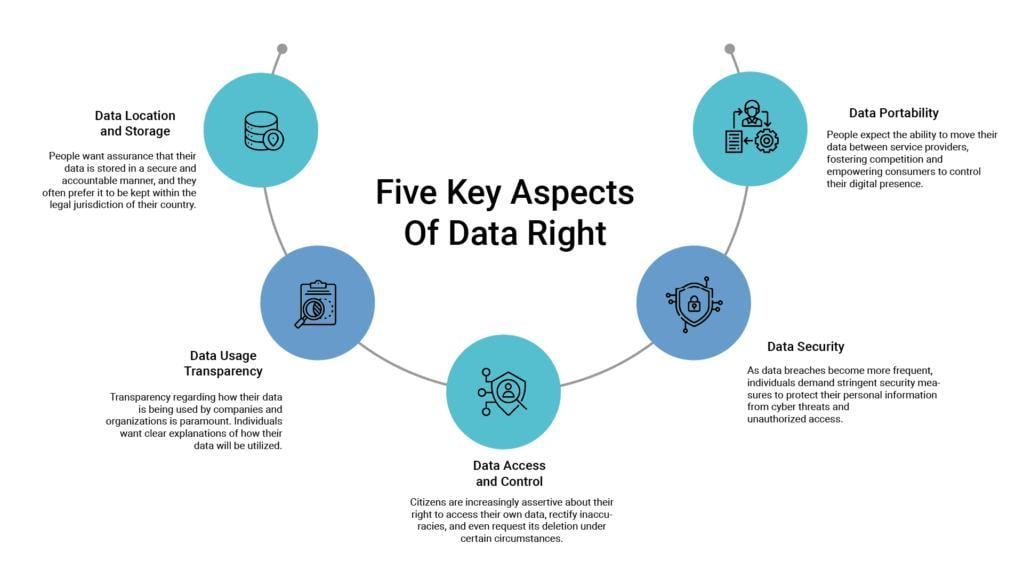
Image source: datadynamicsinc.com
Strategic Partner Program Pillars
Underpinning every successful partner ecosystem are three strategic pillars that guide program design and execution:
1. Incentive Transparency
- Clear Metrics & Benchmarks: Define measurable targets (e.g., deal registrations, upsell rates) and share benchmarks in partner dashboards.
- Tiered Rewards: Structure incentives so partners understand exactly how to progress from one level to the next, fostering healthy competition and predictable growth.
- Forecast Alignment: Use predictive analytics to align incentives with future goals, ensuring partners invest in the right activities early.
2. Adaptive Enablement
- Targeted Training Paths: Map learning modules to partner roles and performance gaps, delivering only the most relevant content.
- On-Demand Expertise: Offer live office hours, regional “train-the-trainer” programs, and AI-powered chatbots to answer partner questions instantly.
- Resource Allocation: Dynamically distribute co-marketing funds and technical support based on partner progress and market opportunity.
3. Collaborative Governance
- Joint Roadmapping: Host quarterly workshops where enterprise and vendor leaders co-create product roadmaps and go-to-market plans.
- Shared KPIs: Agree on a small set of high-impact metrics (e.g., pipeline growth, customer success scores) and review them together monthly.
- Escalation Pathways: Establish clear roles, responsibilities, and issue-resolution steps—so conflicts are resolved quickly and learning is institutionalized.
By focusing on these pillars—transparency in rewards, adaptive enablement, and collaborative governance—enterprises can transform partner programs from administrative exercises into strategic growth engines.
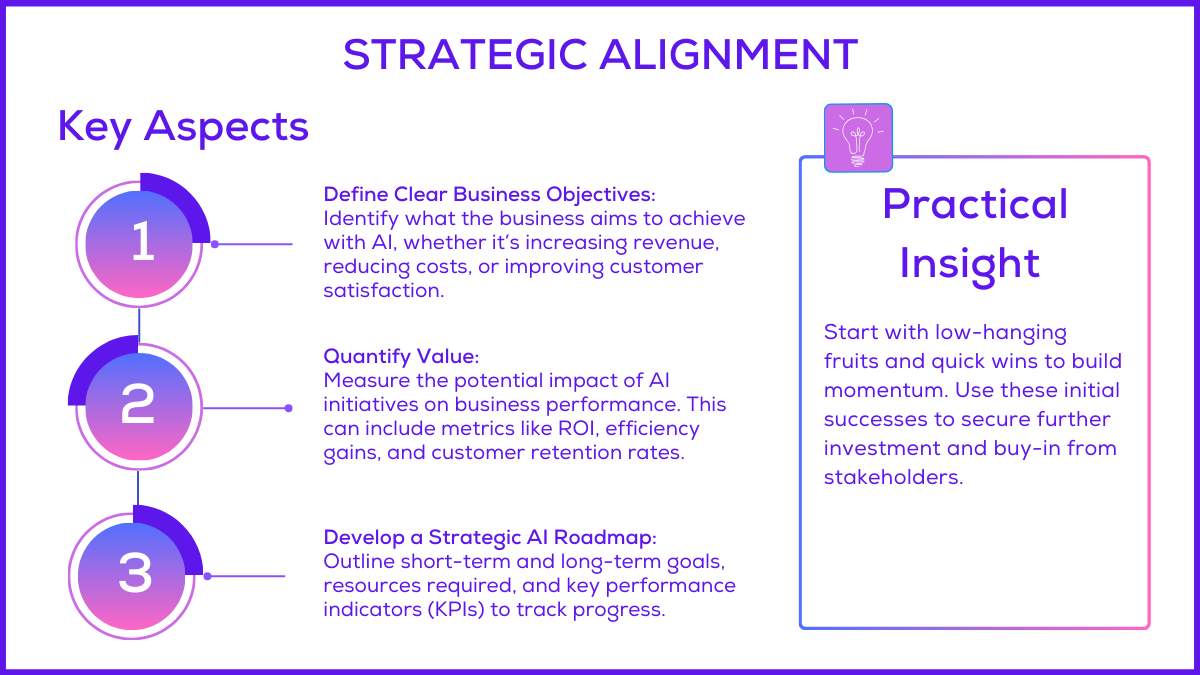
Image source: linkedin.com
How fast can global teams certify?
Enterprises must assess the speed and scalability of certification processes across regions to ensure partners can begin selling or implementing solutions promptly:
- Onboarding Turnaround: Measure the time required for new partner teams to complete required e-learning modules, live workshops, and exams. Best-in-class programs enable certification in a matter of days rather than weeks.
- Localization and Language Support: Provide translated training materials, localized exams, and regional instructors so non-English speaking teams can certify without delay.
- Automated Assessment: Leverage automated quizzes and instant feedback systems that eliminate manual grading bottlenecks, accelerating throughput for large cohorts.
- Scalability Under Load: Ensure the platform can handle simultaneous certification cohorts across multiple time zones without performance degradation. Dedicated regional capacity or cloud-scaled infrastructure is essential.
- Real-Time Tracking and Reporting: Offer dashboards that show certification progress by region, highlight stalled learners, and enable rapid intervention through targeted reminders or live support.
A robust global certification process allows enterprises to scale partner enablement swiftly—ideally reducing ramp-up time to under two weeks—so partners worldwide can drive revenue and project delivery without unnecessary delays.
Successful Partner Programs in Action
CustomGPT.ai’s Solution Partner Program is designed to drive enterprise growth by integrating cutting‑edge AI capabilities with strategic partner enablement.
It centralizes collaboration, automates complex workflows, and delivers actionable insights, ensuring that partners can quickly align with enterprise objectives and execute joint initiatives effectively:
- AI-Driven Recommendations: Leverage machine learning algorithms to identify and prioritize high‑value market segments and opportunities.
- Dynamic Incentive Tiers: Automatically adjust commission rates and rewards based on real‑time performance milestones.
- Unified Partner Portal: Access a centralized dashboard consolidating insights, sales resources, support tickets, and co‑marketing tools.
- Collaborative AI Labs: Engage in joint R&D workshops for rapid prototyping, co‑innovation, and shared solution roadmapping.
- Integrated Training Modules: Offer tailored, on‑demand learning paths with certifications that evolve according to partner growth stages.
- Automated Workflow Engine: Streamline solution deployment with preconfigured templates, API integrations, and low‑code automation.
- Embedded Analytics: Monitor KPIs through interactive charts and predictive forecasting to optimize campaigns and resource allocation.
These features collectively transform the partner experience into a seamless, data‑driven, and scalable operation.
Iterative program design—driven by real-time feedback and dynamic dashboards—continuously refines incentives, training, and workflows to boost partner engagement, satisfaction, and long‑term retention.
FAQ
What separates a mature AI partner program from legacy reseller deals?
A mature AI partner program embeds co-innovation workshops, AI-driven analytics, and flexible incentive tiers, while legacy reseller deals depend on static discounts and pre-packaged offerings.
Which features (portal, APIs, training) are non-negotiable?
Centralized Partner Portal: Intuitive interface providing real-time performance dashboards, deal registration tools, sales collateral, and support ticketing in one location.
Robust API Ecosystem: Well-documented REST and GraphQL APIs enabling automated data exchange with CRM, ERP, and BI platforms for seamless workflows.
On-Demand Training & Certification: Modular e‑learning paths, live webinars, and certification exams accessible 24/7, complete with progress tracking and badge issuance.
Dedicated Knowledge Base: Searchable repository of best practices, troubleshooting guides, and API documentation that updates dynamically as new features are released.
How are multi-language deployments supported?
A multilingual partner portal with localized documentation, instant translation tools, and regional support teams ensures seamless global deployment.
How fast can global teams certify?
Automated Assessments: Instant quizzes and real-time feedback accelerate skill validation.
Localized Content: Training materials and exams tailored to regional languages and regulations.
Scalable Online Platforms: Cloud‐based portals support simultaneous cohorts without performance lags.
Rapid Certification Workflow: Streamlined processes and clear progress tracking reduce overall certification time to days.
What should enterprises prioritize in a partner program?
Transparent incentives, data ownership, compliance safeguards, performance tracking, strategic alignment, co-marketing resources, clear IP rights, and adaptive training ensure resilient, mutually beneficial partnerships.
How can enterprises ensure data ownership and compliance?
Define ownership and usage rights in contracts; enforce encryption, access controls, and anonymization; include breach notification clauses; and demand real-time compliance monitoring
What role do metrics and dashboards play?
Metrics like deal registrations and retention inform effectiveness. Real-time dashboards visualize trends, pinpoint risks, support timely adjustments, and, with predictive analytics, uncover growth opportunities.
How should enterprises structure incentives?
Use tiered models tied to KPIs; apply predictive analytics to tailor rewards; simplify qualification criteria; introduce gamification; and signal future expectations to reinforce innovation.
What governance frameworks are critical?
Joint decision-making protocols, clear escalation paths, shared governance boards, industry-specific compliance integration, real-time monitoring, and adaptive models ensure accountability and risk management.
Conclusion
Effective partner programs are more than contractual agreements—they are dynamic collaborations built on transparent incentives, strategic alignment, and continuous innovation.
A well-designed partner program empowers both vendors and enterprises to co-create solutions, drive growth, and adapt to evolving challenges together, transforming partnerships into engines of lasting competitive advantage.
Ready to take your partner program to the next level? Discover how CustomGPT.ai’s Partner Marketing Agency can revolutionize your strategy and drive measurable growth: Partner Marketing Agency.