

Building a scalable sales engine today means rethinking how main lead enrichment is done, and that’s where an AI sales employee changes the game.
Instead of relying on manual research or fragmented data tools, businesses can now enrich leads automatically with deeper context, intent signals, and real-time insights.
This shift isn’t about replacing sales teams, but empowering them with smarter systems that work nonstop in the background.
When designed correctly, an AI-driven sales employee becomes a strategic asset that sharpens targeting, personalizes outreach, and accelerates revenue without adding operational friction.
The Shift From Personal Skillsets to AI-Powered Leverage
The way professionals create value has fundamentally changed in the post-ChatGPT era, where success is no longer defined by individual capability alone. Today, your effectiveness is increasingly measured by the AI systems you build, manage, and deploy alongside your own expertise.
Just as skilled tradespeople rely on specialized tools to deliver better results, modern professionals are expected to show up with a well-equipped lineup of AI employees.
These AI teammates extend your reach, accelerate execution, and demonstrate how effectively you can operate at scale in an AI-first world.
Why Individual Skills Are No Longer Enough
Relying solely on personal knowledge worked when speed, data access, and analysis were limited by human bandwidth. In an environment where AI can research, reason, and execute instantly, leverage matters more than effort.

Image source: linkedin.com
What’s changed in how value is judged
- Output is measured by systems you operate, not just tasks you perform
- Speed and depth of insights now signal competence
- AI-driven workflows outperform manual processes at scale
This evolution makes AI fluency a career multiplier rather than a technical nice-to-have.
The Rise of the AI Employee Mindset
An AI employee is not a single prompt or chatbot, but a purpose-built system designed to perform a defined role consistently. Thinking in terms of AI employees forces clarity around inputs, outputs, and accountability.
Key characteristics of an effective AI employee
- A clearly defined job function and success metric
- Access to the right data sources and tools
- The ability to reason, summarize, and recommend actions
Treating AI as a teammate rather than a feature leads to more reliable and repeatable outcomes.
Why Lead Enrichment Is the Perfect Starting Point
Lead enrichment sits at the intersection of research, analysis, and execution, making it ideal for AI automation. Sales teams depend on fast, accurate context to engage prospects effectively, yet manual enrichment is slow and inconsistent.
What makes lead enrichment ideal for an AI Sales Employee
- Data is fragmented across multiple sources
- Speed directly impacts conversion rates
- Consistency is difficult to maintain manually
By automating this role, teams unlock immediate productivity gains without disrupting existing sales processes.
Thinking Like a Builder, Not a User
Building AI employees requires shifting from using tools to designing systems. This mindset focuses on orchestration—how data, reasoning, and actions flow together to produce outcomes.
Core builder principles to adopt early
- Define the decision-making framework before the tools
- Optimize for reusability and scalability
- Design outputs that plug directly into existing workflows
Once you think like a builder, every repetitive task becomes a candidate for AI delegation. This first shift sets the foundation for designing powerful AI employees that go beyond automation and start delivering strategic impact.
Designing an AI sales employee for lead enrichment
An AI sales employee built for lead enrichment should operate like a senior research assistant combined with a strategic sales analyst. Its role is to transform minimal inputs—such as a name and email—into a complete, actionable profile that helps closers move faster and smarter.
Rather than producing raw data, this AI sales employee is designed to deliver insights, recommendations, and next steps that directly support revenue outcomes. When built correctly, it becomes a scalable system that enhances sales performance without adding operational complexity.
Defining the job scope of the AI sales employee
Before selecting tools or models, the AI sales employee needs a clearly defined role. This clarity ensures consistent outputs and makes performance measurable.
What this AI sales employee is responsible for
- Gathering firmographic and demographic context
- Identifying buying signals and intent indicators
- Recommending outreach angles and follow-up actions
A well-defined scope turns the AI from a generic assistant into a reliable sales asset.
Inputs that power effective lead enrichment
The quality of enrichment depends on the inputs the AI sales employee can access. Limited data sources result in shallow insights and weaker recommendations.
Key inputs used for enrichment
- Basic lead identifiers like name, email, and company
- Existing CRM history and engagement data
- External data from public and proprietary sources
Strong inputs allow the AI to reason more accurately and produce outputs sales teams can trust.
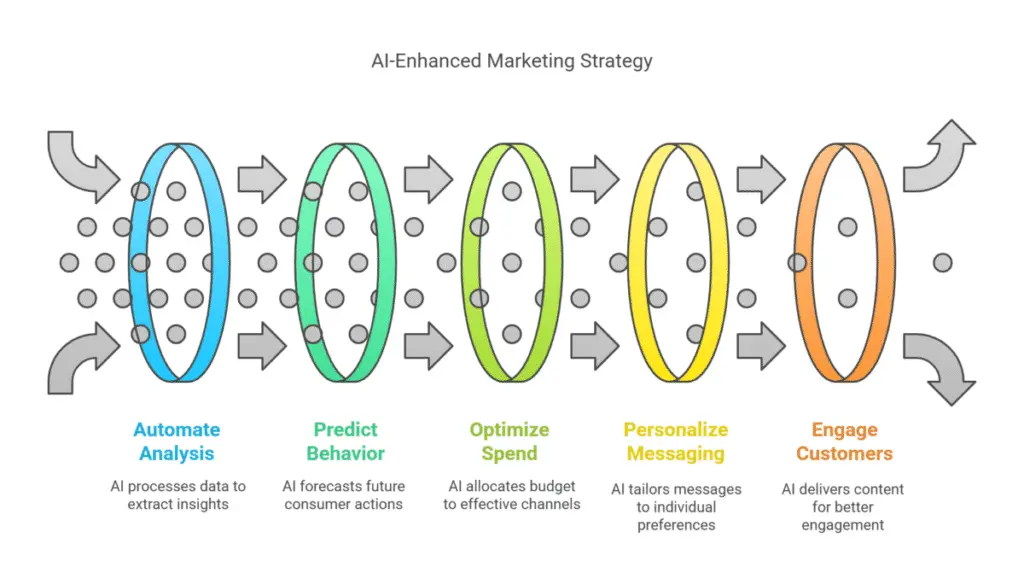
Image source: scalepv.com
Outputs that actually help sales teams close
Sales teams don’t need more information—they need direction. The AI sales employee must convert research into clear, actionable outputs.
High-impact enrichment outputs
- Lead scoring and prioritization
- Personalized messaging and talking points
- Next-step recommendations aligned to deal stage
When outputs are designed for execution, adoption becomes natural across the sales organization.
Turning enrichment into revenue action
The true value of an AI sales employee comes from connecting insights to action. Enrichment only matters when it directly influences sales behavior.
How enrichment drives revenue
- Insights are mapped to specific sales motions
- Recommendations align with pipeline stages
- Data flows back into sales workflows automatically
This approach ensures lead enrichment becomes a revenue enabler rather than a passive research exercise.
Equipping your AI sales employee with the right tools
Once the role is clearly defined, the next step is giving your AI sales employee the tools it needs to perform at a high level. The effectiveness of lead enrichment depends less on prompts and more on how well data, reasoning, and execution are connected.
A strong tooling stack allows the AI sales employee to research deeply, reason intelligently, and deliver outputs that plug directly into existing sales workflows. Without the right tools, even the best-designed AI employee will fall short of expectations.
Web search for real-time context
Live web access allows the AI sales employee to enrich leads with up-to-date information rather than relying on static datasets. This is critical for understanding company news, market positioning, and recent activity.
Why web search matters for lead enrichment
- Captures recent funding, launches, or leadership changes
- Identifies timely conversation hooks
- Reduces outdated or incorrect assumptions
Real-time context helps sales outreach feel relevant instead of generic.
Internal company knowledge as a competitive edge
Beyond public data, the AI sales employee needs access to internal company knowledge to tailor insights correctly. This includes ICP definitions, past deal notes, and positioning frameworks.
Internal knowledge strengthens enrichment by
- Aligning insights with your actual sales motion
- Reinforcing approved messaging and language
- Avoiding recommendations that contradict strategy
When internal context is included, enrichment becomes strategically aligned rather than purely informational.
Reasoning models that go beyond summarization
Lead enrichment isn’t just about collecting data—it’s about interpreting it. Advanced reasoning enables the AI sales employee to connect signals and prioritize what matters most.
What strong reasoning enables
- Pattern recognition across data sources
- Smarter lead scoring decisions
- Actionable recommendations instead of summaries
This is what separates basic automation from true sales intelligence.
CRM integration for closed-loop execution
Enrichment loses value if it lives outside the tools sales teams use every day. CRM integration ensures insights are delivered where action happens.
Benefits of CRM-connected enrichment
- Pulls historical engagement automatically
- Pushes insights back into lead records
- Triggers follow-up tasks without manual work
Closing the loop turns enrichment into a system that actively supports deal progression. With the right tools in place, the AI sales employee moves from a research assistant to an execution-ready sales operator that fits seamlessly into your revenue stack.
Delivering lead enrichment that actually closes deals
Equipping tools is only half the equation—the real impact comes from how insights are packaged and delivered to sales teams. An effective AI sales employee doesn’t overwhelm closers with data; it gives them clarity, confidence, and a clear path forward.
When lead enrichment is designed around deal progression, it becomes a strategic advantage rather than a background process. The goal is to help sales teams move faster while making better decisions at every stage of the funnel.
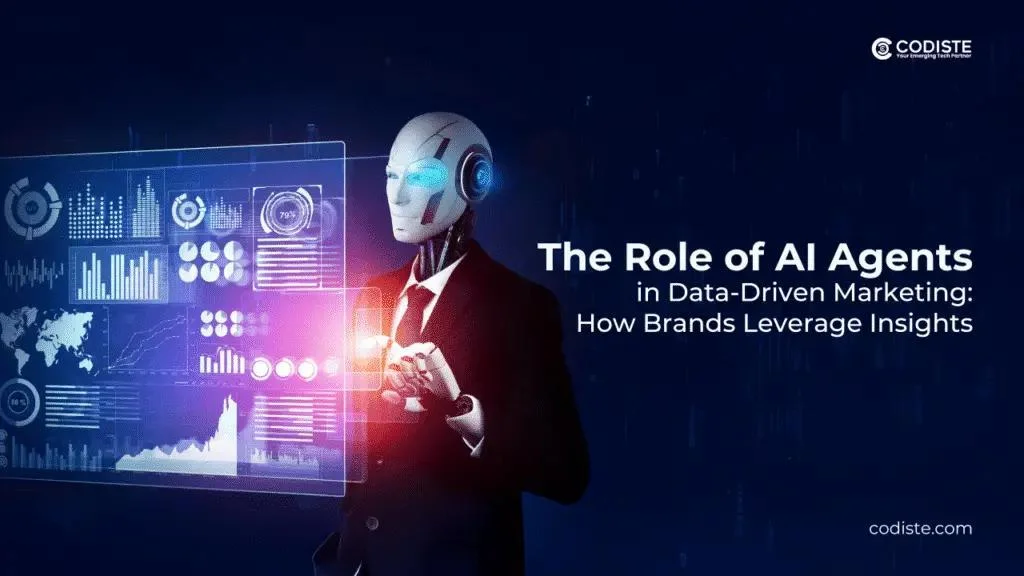
Image source: linkedin.com
Structuring the enrichment report for action
A strong enrichment report tells a story about the lead, not just facts. It should guide the sales rep from context to strategy in seconds.
What an effective enrichment report includes
- A concise lead summary and business context
- Key insights that explain why this lead matters now
- Risks, objections, and opportunity indicators
Well-structured reports reduce prep time and increase confidence before outreach.
Lead scoring that supports prioritization
Not all leads deserve equal attention, and manual scoring often lacks consistency. An AI sales employee can apply objective logic across every lead.
How AI-driven lead scoring helps
- Ranks leads based on intent and fit
- Removes guesswork from prioritization
- Aligns sales focus with revenue potential
Clear scoring helps teams spend time where it matters most.
Action plans that mirror top consultants
Insights are valuable, but recommendations drive results. The AI sales employee should think like a strategist, not a researcher.
What a strong action plan delivers
- Suggested outreach angles and messaging
- Next best actions tied to deal stage
- Follow-up tasks aligned with sales workflows
This approach turns enrichment into a playbook rather than a static report.
Pushing insights back into the workflow
If enrichment lives outside the CRM, it gets ignored. Execution improves when insights appear exactly where sales teams work.
Why workflow delivery matters
- Eliminates context switching
- Increases adoption across the team
- Ensures insights are acted on immediately
By embedding enrichment into daily workflows, the AI sales employee becomes part of the sales process instead of a side tool. With execution-focused outputs in place, the AI sales employee starts influencing revenue outcomes rather than just supporting research.
What AI teammate would you build first?
As AI sales employees and other AI teammates become part of everyday work, they’re quickly turning into a reflection of how individuals and teams create leverage. The question is no longer whether you’ll use AI, but which AI employee you’ll design first—and how much impact you expect it to have.
In a future where performance is measured by both human judgment and AI-powered execution, the most valuable professionals will be those who know how to build, train, and deploy their own AI teammates. The sooner you start thinking like an AI builder, the more prepared you’ll be for what comes next.
FAQ
What is an AI sales employee?
An AI sales employee is a purpose-built AI system designed to handle a specific sales function, such as lead enrichment, research, or follow-up, with consistent and repeatable outputs.
Why is lead enrichment a good first AI employee to build?
Lead enrichment involves research, analysis, and prioritization, making it ideal for automation where AI can deliver immediate time savings and better insights.
Do AI sales employees replace human sales reps?
No, they augment sales teams by handling preparation and analysis so human reps can focus on relationship-building and closing.
What data does an AI sales employee need to work effectively?
It typically requires lead identifiers, CRM data, internal company knowledge, and access to external data sources for real-time context.
How do you measure the success of an AI sales employee?
Success is measured by improved lead quality, faster sales cycles, higher conversion rates, and reduced manual effort for sales teams.
Conclusion
Building an AI sales employee for lead enrichment is less about adopting new technology and more about redefining how work gets done. When designed with clear roles, strong data access, and execution-focused outputs, these AI teammates become a lasting competitive advantage.
As the shift toward AI-powered leverage accelerates, the professionals and teams who learn to build their own AI employees will move faster, make better decisions, and consistently outperform those who don’t.
Automate Lead Enrichment With AI.
Use AI to turn raw leads into enriched, sales-ready opportunities.
Trusted by thousands of organizations worldwide


