

Paid traffic affiliate marketing can feel like a high-stakes game where one wrong move drains your ad budget overnight, but when done right, it becomes one of the fastest paths to scalable commissions.

Make Money With AI
Join our Partner Programs!
Boost your reputation, drive revenue and grow your business with CustomGPT.ai.
The key is understanding how to turn clicks into conversions without overspending on platforms that reward strategy, not guesswork.
In this guide, you’ll learn how to approach paid ads with clarity, control, and confidence so every dollar works harder for you.
Instead of chasing vanity metrics, we’ll focus on smart targeting, testing frameworks, and optimization tactics that protect your budget while unlocking consistent growth.
Understanding Paid Traffic Affiliate Marketing
Paid traffic affiliate marketing is the process of driving targeted visitors to affiliate offers using paid advertising platforms instead of relying solely on organic reach.
When approached strategically, it allows affiliates to scale faster, test offers quickly, and generate predictable results without waiting months for SEO traction.
Unlike organic methods, paid ads for affiliates give you immediate data on what works and what doesn’t, making optimization more measurable and controllable.
The real advantage lies in mastering fundamentals like traffic sources, user intent, and cost management before increasing spend.
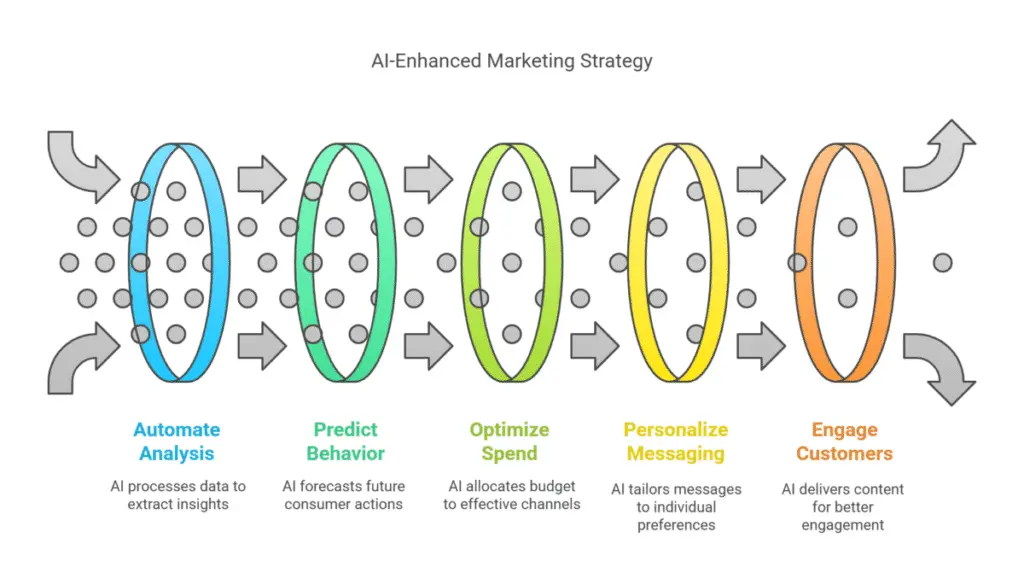
Image source: scalepv.com
What Paid Traffic Means in Affiliate Marketing
Paid traffic refers to buying clicks or impressions from advertising platforms to promote affiliate offers. Instead of hoping users find your content organically, you actively place your offer in front of a targeted audience.
Key characteristics of paid affiliate traffic
- You pay for visibility through clicks, impressions, or conversions
- Results and data are generated quickly
- Scaling is possible once profitability is proven
This approach gives affiliates speed and control, but only when fundamentals are clearly understood.
Why Affiliates Choose Paid Ads Over Organic Methods
Many affiliates turn to affiliate advertising because it removes the uncertainty of waiting for rankings or social reach. Paid campaigns allow you to validate offers fast and focus only on what converts.
Main reasons affiliates prefer paid traffic
- Faster testing of offers and landing pages
- More predictable traffic flow
- Greater control over targeting and budgets
When managed correctly, paid traffic becomes a growth lever rather than a financial risk.
Common Paid Traffic Sources for Affiliates
Not all traffic sources work the same, and choosing the wrong one can drain budgets quickly. Understanding the strengths of each platform helps align offers with audience intent.
| Traffic Source | Best For | Cost Level | Skill Required |
| Google Ads | High-intent buyers | High | Advanced |
| Facebook Ads | Broad audience targeting | Medium | Intermediate |
| Native Ads | Content-driven offers | Medium | Intermediate |
| TikTok Ads | Trend-based products | Low–Medium | Beginner–Intermediate |
Choosing the right source early reduces wasted spend and improves campaign stability.
How Paid Traffic Fits Into a Profitable Funnel
Paid traffic works best when it’s part of a structured funnel rather than sending clicks directly to an offer. A well-built funnel warms users, builds trust, and improves conversion rates.
Core elements of an effective paid funnel
- Ad aligned with audience intent
- Pre-sell or bridge page
- Relevant affiliate offer with clear value
When these elements align, paid traffic affiliate marketing becomes more sustainable and scalable.
Setting Clear Goals and Budget Before Running Ads
Before launching any campaign, defining clear goals and budget limits is essential for success in paid traffic affiliate marketing. Without structure, even well-targeted ads can spiral into losses due to emotional decision-making and inconsistent tracking.
A clear plan helps you measure performance accurately and make data-driven optimizations instead of reacting blindly to daily fluctuations. This foundation is especially important when working with performance marketing and cost-per-click models.
Defining Your Campaign Objective
Every paid campaign should start with a single, focused objective. Whether it’s testing an offer, collecting leads, or scaling a proven funnel, clarity prevents wasted spend.
Common affiliate ad objectives
- Testing a new affiliate offer
- Generating leads for email follow-ups
- Scaling an already profitable campaign
A focused objective keeps your strategy aligned and measurable.
Setting a Realistic Daily Ad Budget
New affiliates often overspend too early, expecting instant profitability. Starting with a controlled daily budget allows you to gather data without unnecessary risk.
Budget-setting best practices
- Start small to validate conversions
- Increase spend only after consistent results
- Separate testing budgets from scaling budgets
This approach protects your capital while allowing steady growth.
Understanding Break-Even and Profit Metrics
Knowing your numbers is critical when running affiliate traffic campaigns. Break-even points determine whether a campaign deserves optimization or should be paused.
| Metric | What It Measures | Why It Matters |
| CPC | Cost per click | Controls traffic cost |
| EPC | Earnings per click | Measures offer performance |
| CPA | Cost per acquisition | Determines profitability |
Tracking these metrics ensures decisions are based on data, not assumptions.
Avoiding Emotional Spending Decisions
One of the biggest mistakes in affiliate marketing strategies is letting emotions drive ad spend. Short-term losses don’t always mean failure, and early wins don’t always mean scale-ready.
Ways to stay disciplined with ad spend
- Set strict budget caps
- Analyze data at fixed intervals
- Make changes based on trends, not single days
Staying disciplined helps preserve budget and improves long-term performance.
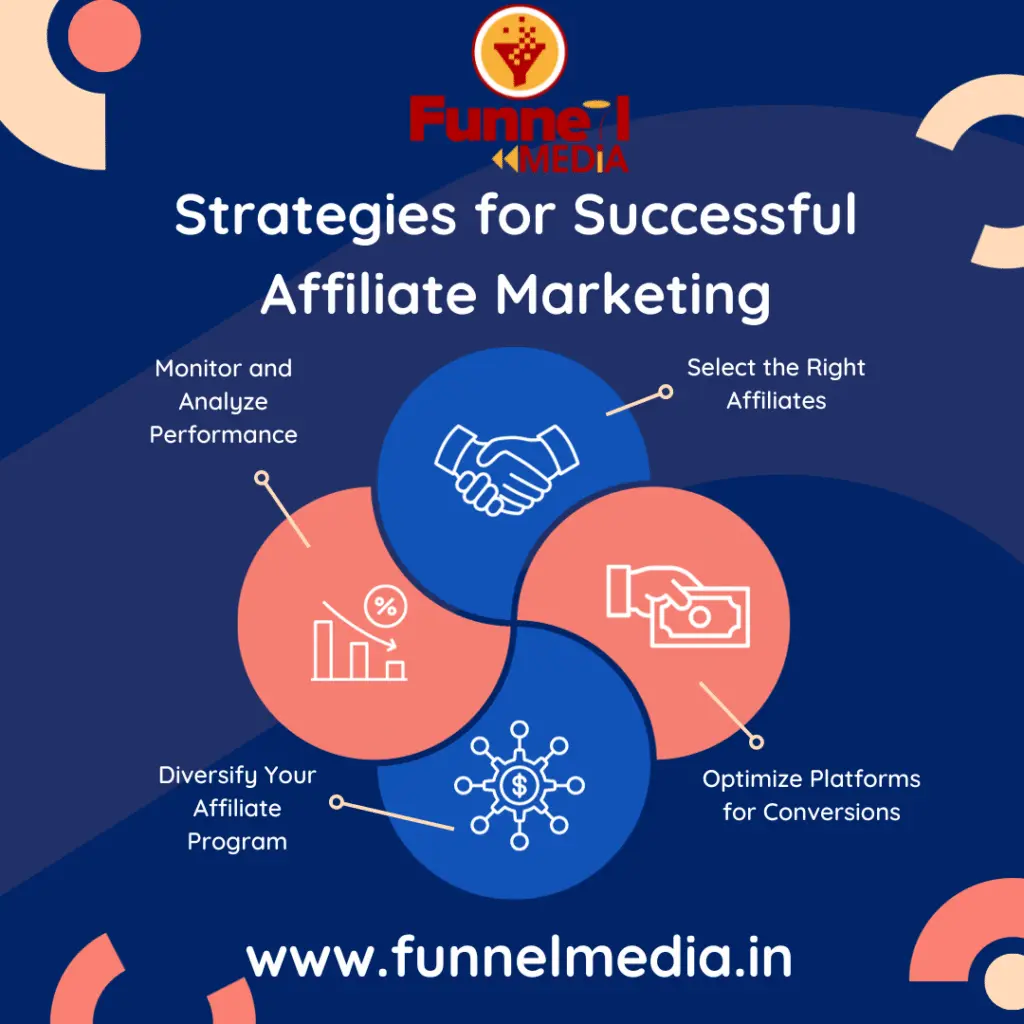
Image source: funnel-media360.tumblr.com
Choosing the Right Affiliate Offer for Paid Traffic
Selecting the right offer is a critical factor in paid traffic affiliate marketing success because ads amplify both strengths and weaknesses.
A weak offer will lose money faster with paid traffic, while a strong one can turn modest budgets into consistent returns. The goal is to match the offer with audience intent, traffic source, and payout structure so conversions happen naturally.
This is where smart affiliate marketing strategies separate profitable campaigns from expensive experiments.
Evaluating Offer Payouts and Conversion Rates
High payouts look attractive, but they don’t always translate into profit. Conversion rates and funnel quality matter just as much as commission size.
What to look for in a strong affiliate offer
- Proven conversion data
- Competitive but realistic payouts
- Clear value proposition for users
An offer that converts consistently often outperforms higher-paying but weaker alternatives.
Matching Offers to Traffic Source Intent
Different platforms attract users with different mindsets, and your offer must align with that intent. Promoting the wrong offer on the wrong platform leads to wasted clicks.
Common intent matching examples
- Google Ads → High-intent problem-solving offers
- Facebook Ads → Discovery-based or curiosity-driven offers
- Native Ads → Content-focused, educational funnels
Intent alignment improves conversion rates and lowers acquisition costs.
Avoiding “Shiny Object” Offers
New affiliates often jump between offers too quickly, chasing the next big promise. This behavior prevents meaningful data collection and optimization.
How to stay focused on one offer
- Commit to a testing period
- Optimize before switching
- Ignore hype without proof
Consistency gives you clearer insights and better results over time.
Testing Offers Before Scaling
Testing allows you to validate an offer before increasing spend. Small tests reveal performance trends without risking large budgets.
Smart testing principles
- Run low-budget test campaigns
- Track conversions and engagement
- Scale only after stable performance
This disciplined approach turns paid traffic into a controlled growth engine rather than a gamble.
Building Landing Pages That Convert Paid Traffic
A strong landing page is essential in paid traffic affiliate marketing because it bridges the gap between the ad and the offer. Even the best ads will fail if users land on a page that lacks clarity, trust, or direction.
Landing pages should be designed to pre-sell the offer, answer objections, and guide visitors toward a single action. When optimized correctly, they significantly improve conversion rates and reduce wasted ad spend.
Keeping the Message Consistent From Ad to Page
Message mismatch is one of the fastest ways to lose conversions. Your landing page should continue the exact promise made in the ad.
How to maintain message consistency
- Use similar wording from the ad headline
- Address the same pain point immediately
- Deliver on the promised outcome
Consistency builds trust and keeps users engaged.
Image source: authorityhacker.com
Designing for Simplicity and Focus
Cluttered pages distract users and dilute conversions. A focused layout helps visitors understand what to do next without confusion.
High-converting design principles
- One clear call to action
- Minimal navigation or external links
- Easy-to-scan layout
Simple pages often outperform complex designs in affiliate funnels.
Using Trust Elements Without Overdoing It
Trust signals reassure visitors, but too many can feel forced or fake. The goal is subtle credibility, not pressure.
| Trust Element | Example | Purpose |
| Social proof | Testimonials | Reduce skepticism |
| Transparency | Clear disclosures | Build credibility |
| Authority cues | Data or results | Increase confidence |
Balanced trust elements support conversions without overwhelming users.
Optimizing for Mobile Traffic
A large portion of affiliate traffic comes from mobile devices. Poor mobile experiences quickly kill campaign performance.
Mobile optimization essentials
- Fast loading speed
- Responsive design
- Easy-to-tap buttons
A mobile-friendly page ensures paid clicks have the best chance to convert.
Tracking, Analytics, and Data-Driven Decisions
Tracking is what turns paid traffic affiliate marketing from guessing into a measurable business model. Without accurate data, it’s impossible to know which ads, audiences, or offers are actually generating profit.
Proper analytics allow you to cut losing campaigns quickly and double down on what’s working. This is especially important in performance marketing, where small optimizations can significantly impact ROI.
Setting Up Conversion Tracking Correctly
Conversion tracking ensures every action—click, lead, or sale—is recorded accurately. Missing or broken tracking leads to false conclusions and wasted budget.
Essentials for reliable conversion tracking
- Install platform pixels correctly
- Track primary and secondary conversions
- Test tracking before scaling
Accurate tracking is the foundation of profitable decision-making.
Understanding Key Metrics That Matter
Not all metrics deserve equal attention. Focusing on the wrong numbers can lead to poor optimization choices.
Metrics affiliates should prioritize
- Cost per acquisition (CPA)
- Earnings per click (EPC)
- Return on ad spend (ROAS)
These metrics reveal whether your campaigns are sustainable or draining budget.

Image source: codiste.com
Using Data to Optimize Campaigns
Optimization should be based on trends, not daily fluctuations. Data patterns over time reveal where improvements are needed.
| Optimization Area | Data Signal | Action Taken |
| Ad creative | Low CTR | Rewrite copy or visuals |
| Targeting | High CPA | Refine audience segments |
| Landing page | High bounce rate | Improve clarity or speed |
Small, data-backed changes compound into major performance gains.
Knowing When to Pause or Kill Campaigns
Not every campaign deserves endless optimization. Knowing when to stop is just as important as knowing when to scale.
Signs a campaign should be paused
- Consistent losses past test phase
- No improvement after optimizations
- Poor engagement and conversions
Cutting losers early protects your budget and sharpens your strategy.
Scaling Profitable Campaigns Without Increasing Risk
Scaling is where paid traffic affiliate marketing becomes truly powerful, but it’s also where many affiliates lose control of their budget. Increasing spend too quickly without stability often turns profitable campaigns into losses.
The goal of scaling is controlled growth—expanding what already works while preserving performance metrics. When done methodically, scaling allows you to grow revenue without sacrificing efficiency.
Knowing When a Campaign Is Ready to Scale
Not every winning day means a campaign is ready for more budget. Stability over time is the real indicator of readiness.
Signs a campaign is scale-ready
- Consistent CPA over several days
- Stable conversion rates
- Reliable tracking data
Patience at this stage prevents costly reversals.
Vertical Scaling vs Horizontal Scaling
There are multiple ways to scale, and choosing the right method reduces risk. Vertical scaling increases budget, while horizontal scaling expands reach.
| Scaling Method | What It Means | Risk Level |
| Vertical scaling | Increasing ad spend | Medium |
| Horizontal scaling | New audiences or creatives | Low–Medium |
| Platform expansion | New traffic sources | Medium |
Combining both methods creates balanced growth.
Protecting Performance While Scaling
As spend increases, performance can fluctuate. Safeguards help maintain control during expansion.
Scaling safeguards to apply
- Increase budgets gradually
- Monitor metrics daily
- Pause underperforming variations
These checks keep growth sustainable.
Avoiding the Most Common Scaling Mistakes
Many affiliates rush scaling due to excitement or fear of missing out. This often leads to overspending and poor optimization.
Mistakes to avoid when scaling
- Doubling budgets overnight
- Ignoring declining metrics
- Scaling without fresh creatives
Disciplined scaling preserves profits and long-term stability.
FAQ
Q: How do affiliates avoid losing money with paid ads?
A: Affiliates reduce losses by setting strict budgets, tracking conversions accurately, and testing campaigns before scaling. Decisions are based on data trends rather than single-day results. Campaigns that fail to meet performance benchmarks are paused early.
Q: Why do affiliate campaigns fail with paid traffic?
A: Campaigns often fail due to poor offer selection, weak tracking, mismatched targeting, or overspending too early. Inconsistent testing and emotional decisions also contribute. Most failures stem from lack of structure rather than bad traffic.
Q: What is a break-even point in paid affiliate ads?
A: The break-even point is where ad spend equals revenue earned. Knowing this threshold helps affiliates decide whether to optimize or stop a campaign. Operating above break-even indicates profit, while below indicates loss.
Q: What role does tracking play in paid traffic affiliate marketing?
A: Tracking records which ads, clicks, and conversions generate results. Without accurate tracking, optimization is unreliable. Proper setup is essential before scaling any campaign.
Q: What happens if tracking data is inaccurate?
A: Inaccurate data leads to poor optimization decisions. Affiliates may scale losing campaigns or stop profitable ones. Verifying tracking is essential before acting on results.
Conclusion
Paid traffic affiliate marketing becomes sustainable when every decision is guided by data, discipline, and a clear understanding of risk.
By focusing on controlled testing, accurate tracking, and intentional scaling, affiliates can grow revenue without falling into the common trap of overspending.
If your next goal is improving how paid traffic turns into actual commissions, refining the conversion layer is essential. This guide on how to increase affiliate conversions offers practical insights to help you get more value from the traffic you’re already paying for.
Master Paid Traffic Affiliate Marketing.
Run smarter ads with paid traffic affiliate marketing strategies that protect budget and scale profitably.
Trusted by thousands of organizations worldwide


