
Imagine managing a vibrant AI network where partner program software streamlines essential tasks—onboarding, payouts, and analytics—so you can focus on strategic relationships.

Make Money With AI
Join our Partner Programs!
Boost your reputation, drive revenue and grow your business with CustomGPT.ai.
Whether you’re working with resellers, managed service providers, consultants, or strategic alliances, a unified platform that integrates CRM, ERP, and financial APIs and adapts workflows to each partner’s requirements delivers both operational efficiency and personalized engagement.
Defining Partner Program Software Ecosystem
Partner ecosystem software acts as the central nervous system for large collaborator networks, unifying data and automating core processes.
Key capabilities include:
- Real‑Time Data Integration: Consolidates information from CRM, ERP, and other systems for complete visibility.
- Configurable Rule Engines & Governance Protocols: Adjusts workflows based on partner attributes (region, specialization) and enforces data validation, ownership, and audit trails.
- Extensible APIs: Allows developers to build custom integrations and extensions, driving innovation without sacrificing consistency.
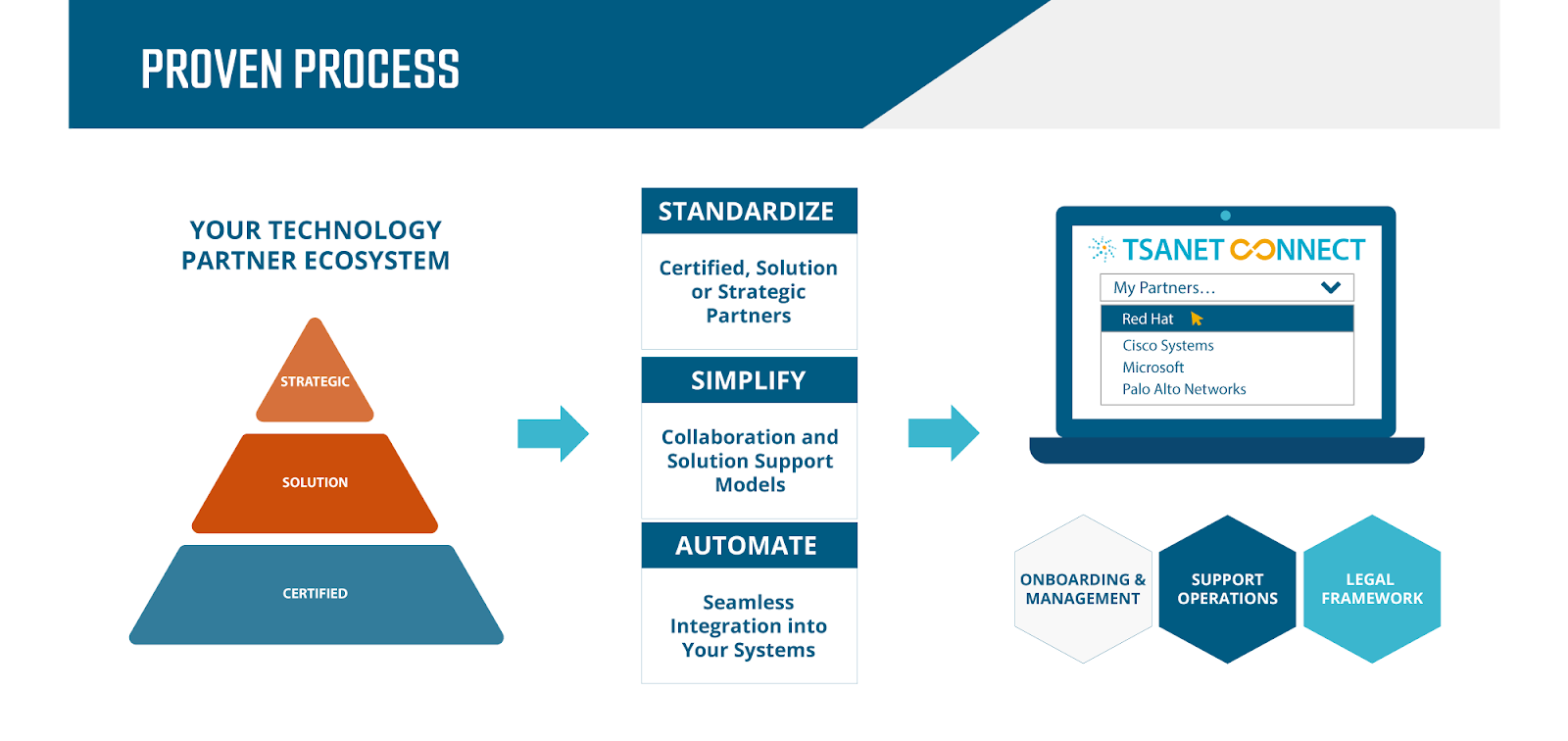
Types of Partners & Centralized Management Needs
AI partner program software include several categories, each with unique requirements:
- Resellers: Drive lead distribution and manage sales pipelines.
- Managed Service Providers: Deliver implementations, support, and integrations.
- Strategic Consultants: Advise on architecture, strategy, and best practices.
- Technology Alliances: Co‑develop and integrate solutions with joint innovation efforts.
Integration with Enterprise Ecosystems
Effective integration across PRM, CRM, and ERP hinges on three pillars:
- Real‑Time Synchronization: Event‑driven architectures propagate updates—such as partner status changes—instantaneously across systems.
- Data Normalization: Pre‑integration transformation rules convert disparate data formats into standardized schemas, preventing inconsistencies.
- Context‑Aware Workflows: Integrated systems share context—lead origin, order history, support tickets—enabling smarter process automation and enhancing the partner experience.
Strong integration prevents data silos and creates a single source of truth, essential for scalable ecosystem management.
What are PRM Platforms?
Partner Relationship Management (PRM) platforms are comprehensive solutions that centralize partner interactions and workflows, enabling organizations to efficiently recruit, onboard, support, and measure the performance of their external partner networks.
They provide a unified interface where partners access resources, register deals, complete training, and collaborate on opportunities, while giving program owners visibility and control over every step in the partner lifecycle.
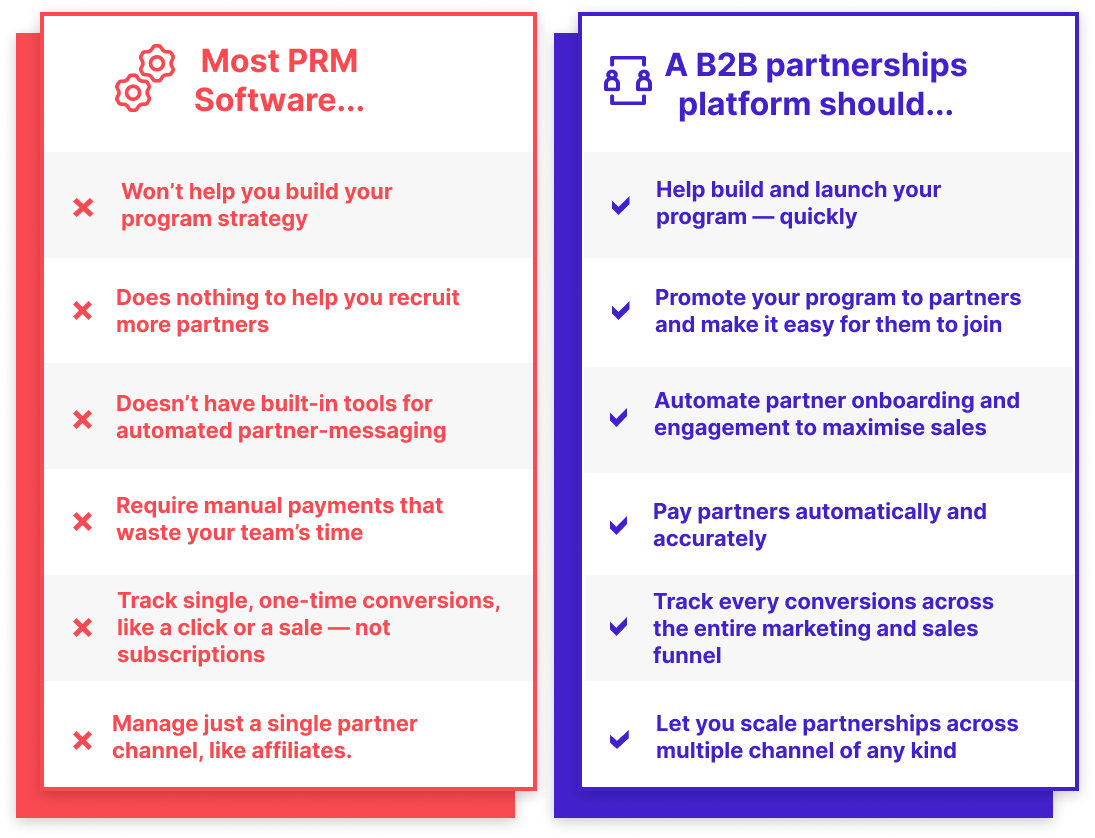
Key features of PRM Platforms
PRM platforms turn disparate partner activities into an orchestrated ecosystem—automating core processes, enforcing consistency, and delivering data‑driven decision support.
- Centralized Partner Data: Consolidate and synchronize partner profiles, contracts, performance metrics, and communications to eliminate silos.
- Workflow Playbooks: Configure onboarding steps, deal registrations, and compliance checks into guided self‑service processes tailored by region, industry, or partner tier.
- Lead & Opportunity Management: Assign, track, and co‑manage leads and deals, maintaining clear visibility into pipeline contributions.
- Incentives & Payouts: Automate commission, rebate, and incentive calculations—including currency conversions, tax adjustments, and custom rule sets—while flagging anomalies for review.
- Collaboration Portal: Offer partners access to training materials, marketing assets, product documentation, and co‑branding tools through a unified interface.
- Analytics & Reporting: Aggregate data from CRM, ERP, LMS, and financial systems to produce dashboards and predictive insights on partner performance and program health.
PRM Systems as the Operational Backbone
While PRM platforms provide the modules and portals for AI partners to engage, PRM systems form the underlying infrastructure that ensures reliable operations at scale. They deliver:
- Core Services Layer: Manages authentication, permissions, and partner hierarchies to secure and organize access.
- Integration Bus: Coordinates event-driven data exchange between CRM, ERP, marketing, and financial systems, maintaining consistency across environments.
- Extensibility Framework: Supports plugins, custom connectors, and API gateways that allow rapid extension and third-party innovation.
- Governance & Compliance: Enforces data policies, audit trails, and version control for critical configurations and process definitions.
Together, these elements create a resilient backbone that powers every partner interaction, from initial registration through ongoing performance management.
Automation in Onboarding, Payouts & Analytics
Automation transforms ecosystem operations by streamlining three core areas:
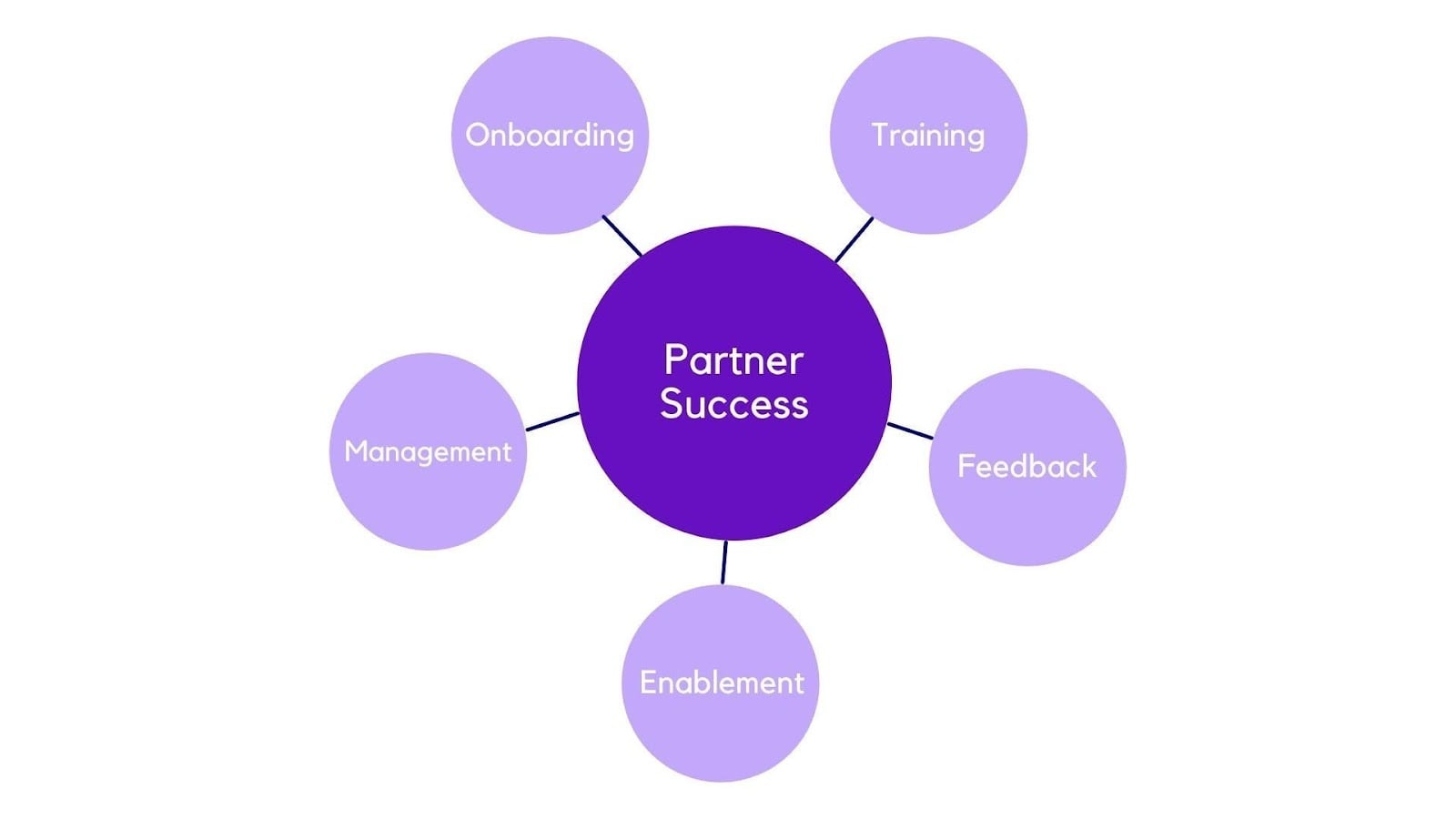
- Onboarding: Efficient onboarding is the foundation of a productive partner ecosystem. Automated processes eliminate repetitive manual tasks and accelerate time to activation. Self‑service portals deliver guided, customizable registration experiences. Partners upload required documentation—such as certifications and tax forms—into a unified interface. Automated validation workflows cross‑check submitted data against external registries and regulatory databases, eliminating manual verification steps. Rule engines route exceptions to human experts, balancing automation efficiency with personalized support.
- Payout Management: Real‑time financial APIs integrate with partner payment platforms to handle complex calculations—currency conversions, tax withholdings, and contractual adjustments. Adaptive engines monitor payment workflows, detect anomalies such as mismatched invoice data or unusual transaction patterns, and escalate exceptions for review. This hybrid model ensures accuracy and accountability, transforming payouts from administrative tasks into strategic enablers of partner trust.
- AI‑Driven Analytics: Predictive analytics engines ingest historical performance and real‑time activity data to forecast partner behaviors—such as engagement trends and revenue potential—and recommend adjustments to incentive structures. Dashboards visualize key indicators like deal velocity, compliance adherence, and training progress. Insights drive proactive interventions: the system flags partners at risk of disengagement, triggers targeted enablement campaigns, and refines future onboarding and payout workflows.
By combining automated onboarding, intelligent payout management, and advanced analytics, businesses establish a seamless, scalable framework that enhances AI partner relationships and operational agility.
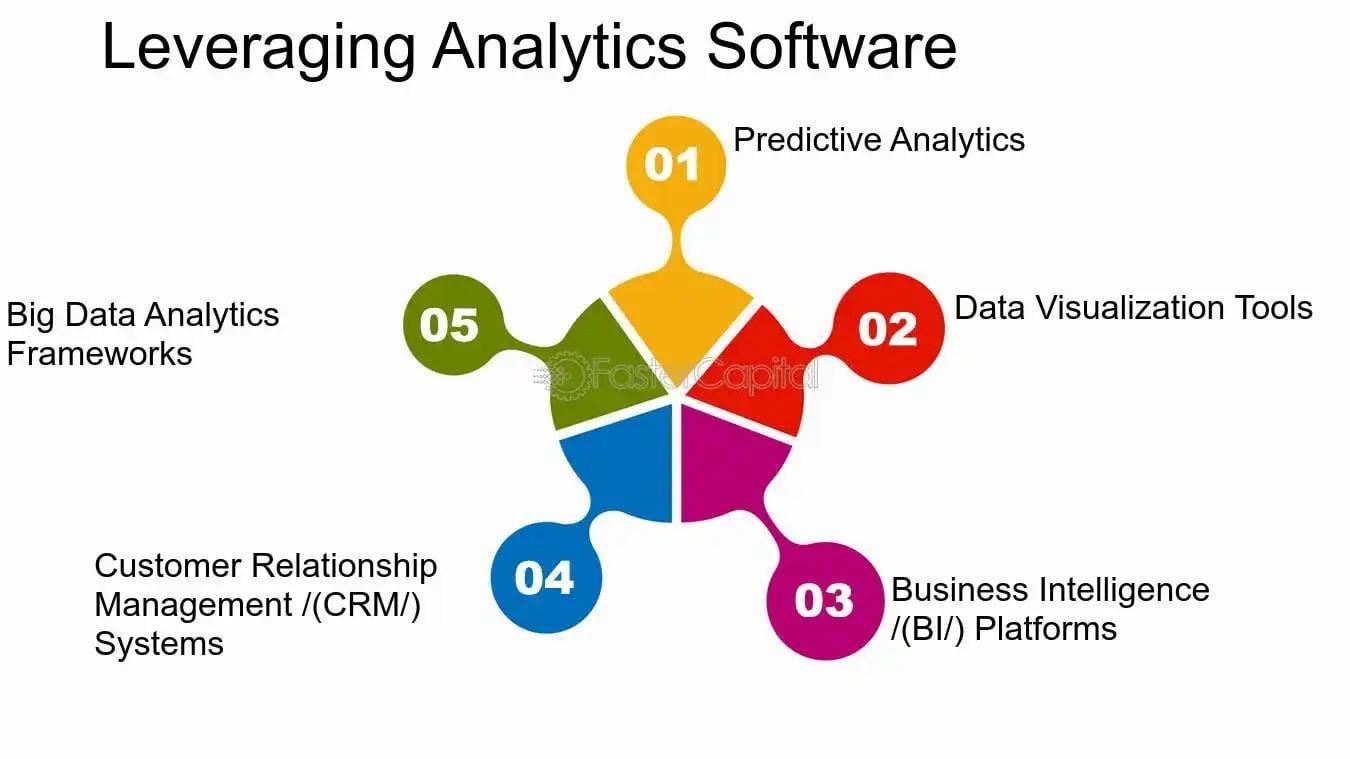
Optimizing Partner Outcomes
- Predictive Modeling: Forecast partner churn and identify high‑value opportunities.
- Automated Interventions: Adjust incentives or launch enablement campaigns without manual effort.
- Feedback Loop: Use onboarding metrics (compliance, training completion, initial deals) to refine workflows and incentives.
- Context‑Aware Onboarding: Tailor processes to partner profiles to accelerate first deals.
- Milestone‑Linked Payouts: Align payments with performance milestones to reinforce desired behaviors.
- Continuous Analytics: Monitor performance in real time to ensure adaptability and proactive management.
Best Practices for Scaling Ecosystems
- Implement self‑service onboarding with dynamic rule engines for personalized experiences.
- Leverage predictive analytics for early risk detection and opportunity identification.
- Use adaptive engines to accommodate regional regulations and evolving partner types.
- Integrate real‑time financial APIs for accurate, timely payouts.
- Enforce centralized data governance to maintain integrity and consistency.
Together, these practices create a resilient, scalable partner ecosystem that unlocks growth through seamless collaboration.
FAQ
What exactly is partner‑program software and why does it matter for AI vendors?
Partner‑program software centralizes partner recruitment, onboarding, management, and analytics, enabling AI vendors to scale collaborations, ensure compliance, and accelerate go‑to‑market strategies through automated workflows and data insights.
How does the platform streamline onboarding, training and certification at scale?
It provides self‑service portals, dynamic validation workflows, and integrated LMS modules that automatically assign role‑based courses, track progress, and grant certifications without manual intervention.
Which APIs connect partner data to CRM/ERP stacks?
Common connectors include RESTful and GraphQL APIs for systems like Salesforce, Microsoft Dynamics, SAP, and Oracle, supporting real‑time synchronization of partner profiles, deal registrations, and financial transactions.
How can businesses address data integration challenges?
Implement robust APIs and event‑driven architectures
Normalize and synchronize data in real time
Enforce governance frameworks to ensure data integrity
How are global payouts, taxes and currencies handled?
Real‑time financial APIs integrate with payment gateways and tax engines to calculate commissions, apply multi‑currency conversions, and withhold region‑specific taxes, flagging exceptions for specialist review.
What dashboards help partners track co‑sell pipeline and ARR?
Interactive dashboards aggregate CRM opportunity data and ARR metrics, offering visualizations of pipeline stages, revenue forecasts, and partner contribution trends, with drill‑down filters by region, product, or period.
Conclusion
Partner‑program software is the linchpin that transforms sprawling AI ecosystems into cohesive, high‑performing networks.
By centralizing data, automating workflows, and embedding AI‑driven analytics, organizations can accelerate onboarding, ensure precise payouts, and continuously optimize partner engagement.
A robust PRM platform and its supporting infrastructure work hand in hand to deliver scalability, compliance, and personalized partner experiences. They not only reduces manual overhead but also drives sustained growth, trust, and innovation across the partner landscape.
Explore the reseller program guide: How to Start and Profit from an AI Reselling Business in 2025