
In 2025, marketing agencies are no longer just creative partners—they’re technology providers.
The shift toward white label AI for agencies marks a new era where automation, personalization, and scalability define competitive advantage.

Make Money With AI
Join our Partner Programs!
Boost your reputation, drive revenue and grow your business with CustomGPT.ai.
Instead of building AI systems from scratch, agencies now use white label AI platforms to deliver branded, intelligent solutions—everything from chatbots and predictive analytics to campaign automation.
This allows them to offer cutting-edge technology under their own brand, while focusing on what they do best: strategy, storytelling, and client relationships.
Whether you’re an established digital agency or just exploring AI-based service expansion, this guide will walk you through the essentials—selecting the right platform, pricing your services, and implementing white label AI solutions that scale client value and revenue in 2025.
Why Marketing Agencies Are Turning to White Label AI
Marketing in 2025 runs on data, automation, and personalization — three areas where white label AI for agencies is proving transformative.
As client expectations evolve, agencies are under pressure to deliver measurable results faster and at scale — without ballooning costs or team sizes.
White label AI solves that challenge. By rebranding powerful AI tools under their own name, agencies can instantly expand their offerings without heavy R&D investment or technical hiring.
Instead of spending months building proprietary models, they can deploy advanced chatbots, campaign optimizers, or analytics dashboards in days.
Key reasons agencies are embracing white label AI:
- Speed to market: Offer AI-powered services without lengthy development cycles.
- Scalability: Manage multiple clients using modular, multi-tenant platforms.
- Cost efficiency: Avoid the high upfront costs of custom AI development.
- Client retention: Deliver measurable, automated results that strengthen long-term relationships.
- Revenue diversification: Add subscription-based or performance-driven pricing models for recurring income.
This shift isn’t just technological—it’s strategic. Agencies that embrace AI business opportunities not only future-proof their services but also position themselves as trusted innovation partners in an increasingly competitive marketplace.
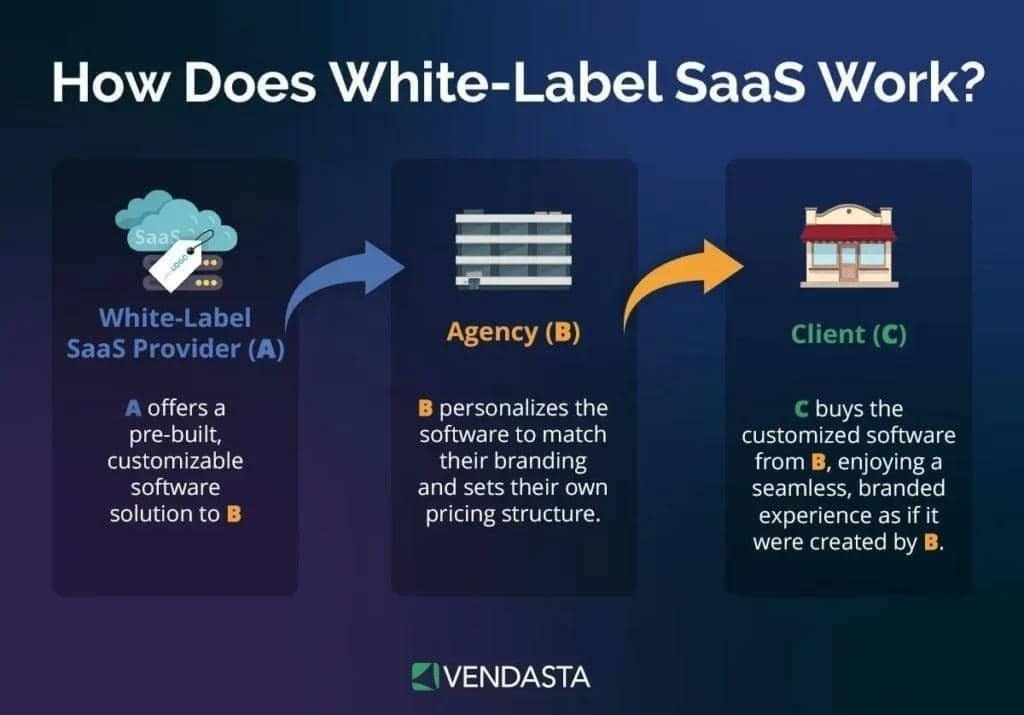
Benefits of White Label AI for Agencies
For marketing agencies, white label AI platforms present an opportunity to expand service portfolios, increase profitability, and deliver measurable results — all without the complexity of developing proprietary systems.
These solutions combine scalability with brand ownership, allowing agencies to deliver high-value AI capabilities under their own name.
Key benefits include:
- Scalable Service Delivery: Agencies can deploy AI-powered chatbots, automation tools, and analytics solutions for multiple clients using a single multi-tenant platform. This enables operational efficiency and faster rollout across diverse portfolios.
- Reduced Time-to-Market: White label AI eliminates long development cycles. Agencies can rebrand and implement pre-built solutions, accelerating client onboarding and campaign launches.
- Recurring Revenue Opportunities: Through subscription-based or usage-tiered pricing models, agencies can generate predictable income streams while continuously enhancing service offerings.
- Personalization and Client Retention: AI models trained on client-specific data enable hyper-personalized marketing and communication strategies, strengthening client satisfaction and long-term relationships.
- Data Security and Compliance: Enterprise-grade providers ensure compliance with GDPR, CCPA, and other privacy regulations, minimizing risk and maintaining client trust.
- Enhanced Brand Credibility: By delivering AI solutions under their own label, agencies reinforce their brand as a forward-thinking, tech-enabled service provider.
For agencies expanding their service mix, combining these benefits with a clear go-to-market strategy can transform one-off projects into scalable, recurring partnerships.
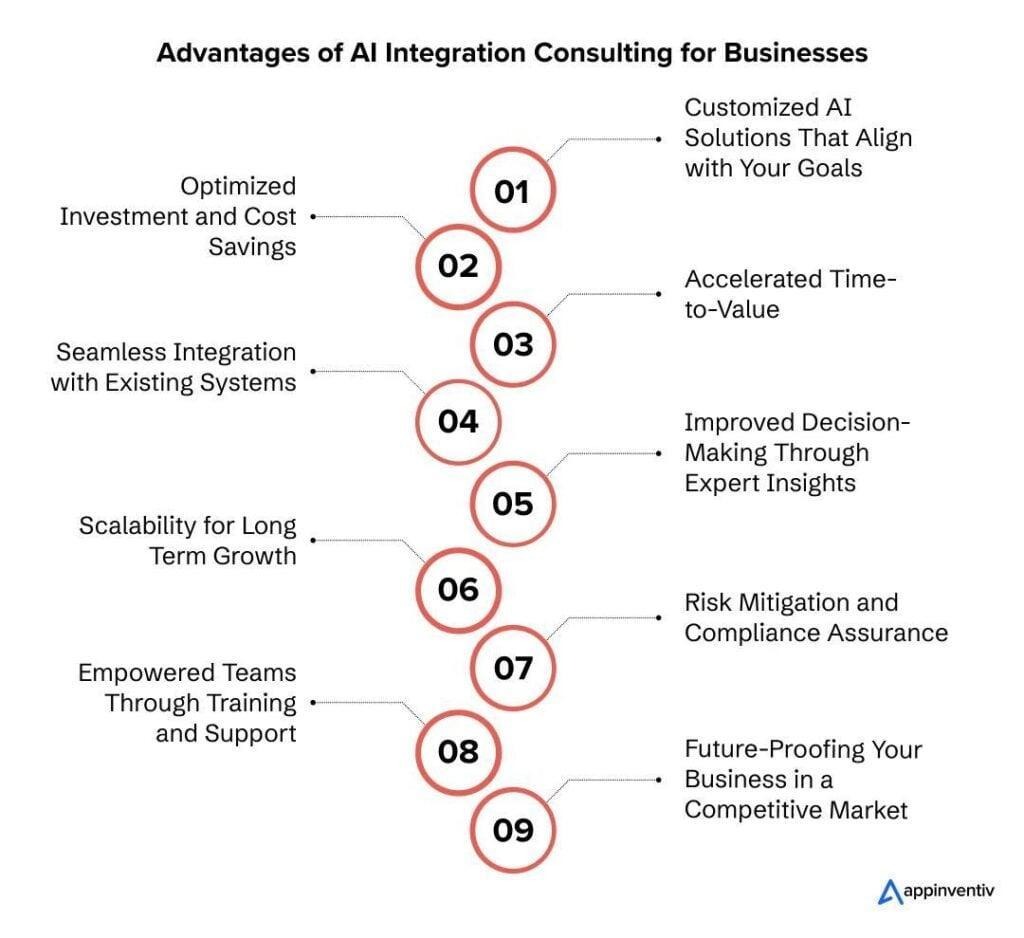
Core Components of White Label AI Platforms
A well-designed white label AI platform provides the technical foundation agencies need to deliver intelligent, branded solutions at scale.
Understanding the key components of these platforms is critical when selecting a solution that aligns with your agency’s operations, client expectations, and compliance standards.
1. Modular Architecture
Leading platforms are built on modular, API-driven frameworks that allow agencies to integrate seamlessly with existing systems such as CRMs, CMSs, and analytics tools. This flexibility supports customization while minimizing workflow disruptions.
2. Multi-Tenant Infrastructure
Multi-client or multi-tenant systems ensure that each client’s data and AI models remain isolated and secure within a shared environment. This enables agencies to manage multiple accounts efficiently while maintaining compliance and confidentiality.
3. Customization and Branding Options
The ability to fully rebrand—logos, color schemes, chat interfaces, and dashboards—is essential for maintaining a consistent client-facing identity. Top-tier platforms also allow for customized AI behavior to match industry tone, audience, and engagement preferences.
4. Advanced Analytics and Reporting
Comprehensive dashboards enable agencies to track performance metrics, analyze campaign effectiveness, and provide clients with data-driven insights that demonstrate measurable ROI.
5. Security and Compliance Frameworks
Compliance with regulations like GDPR, HIPAA, and CCPA is non-negotiable. Platforms should include role-based access controls, encryption, and audit trails to safeguard sensitive client information.
6. No-Code or Low-Code Interface
Modern platforms often feature no-code environments that empower non-technical users to build, train, and deploy AI tools efficiently—reducing dependence on specialized developers.
7. Integration Capabilities
API and webhook support allow AI tools to work across diverse client systems, from marketing automation to e-commerce platforms, enabling consistent cross-channel intelligence.
Understanding these components helps agencies evaluate which white label AI for agencies platform best fits their technical capacity, client base, and growth strategy.
AI-Powered Tools That Drive Agency Growth
White label AI for agencies goes beyond chatbots—it powers a full ecosystem of automation, analytics, and personalization tools that help agencies scale faster while improving client outcomes.
These tools streamline campaign management, enhance decision-making, and unlock new service opportunities without the need for custom development.
Conversational AI and Client Engagement
AI-driven chatbots are among the most valuable assets for modern marketing agencies. Platforms like CustomGPT.ai allow agencies to create fully branded, no-code AI assistants trained on their own data.
These chatbots can manage FAQs, lead qualification, and client support, all while maintaining brand tone and context awareness.
By integrating these platforms, agencies can deploy conversational AI across websites, apps, and CRMs, automating client engagement while delivering personalized, human-like responses that enhance user trust.
AI-Powered Automation Tools
Automation is the backbone of operational efficiency. White label automation tools help agencies schedule content, trigger campaigns, and sync data across CRMs and analytics platforms.
This reduces manual workloads and ensures that campaigns respond in real time to behavioral triggers.
These tools also allow agencies to scale client onboarding, reporting, and lead management—turning repetitive workflows into automated, measurable systems.
Predictive Analytics and Campaign Intelligence
AI analytics platforms empower agencies to make smarter, faster decisions. By processing large datasets, they uncover trends, optimize ad spend, and predict customer behavior.
For instance, predictive insights can reveal when to retarget leads or adjust messaging to improve ROI.
Platforms with built-in data visualization and forecasting features allow agencies to offer strategic insights that go beyond traditional marketing metrics—positioning them as data-driven partners, not just service providers.
AI Content Creation and Optimization
Tools like Writesonic and Jasper enable agencies to generate high-quality, SEO-optimized content at scale.
From ad copy and email sequences to blog posts and social captions, these platforms help teams meet demand without compromising creativity.
By leveraging AI-assisted copy generation, agencies can maintain consistent brand voice across multiple campaigns, shorten turnaround times, and deliver measurable performance improvements.
For a deeper breakdown of AI tools that enhance agency performance, see our guide on [AI tools to offer clients].
Best White Label AI Platforms for Agencies (Comparison Overview)
Selecting the right white label AI platform can determine how effectively your agency scales its AI-driven offerings. The ideal solution should combine customization, scalability, and security — all while fitting your operational model.
Below is a detailed overview of five leading platforms shaping the 2025 agency landscape.
| Platform | Ideal For | Interface Type | Branding Level | Security & Compliance | Partner Program |
| CustomGPT.ai | Full-service agencies | No-code | Full White Label | Enterprise-grade (GDPR/CCPA) | Yes |
| Chatbase | Chat-focused agencies | Low-code | Partial | Google Cloud Secure | No |
| ManyChat | Social & marketing automation | No-code | Partial | Cloud-based | Limited |
| Botpress | Developer-led AI agencies | Custom-code | High | On-premise option | Yes |
| Tidio AI | E-commerce and CX-focused agencies | No-code | Moderate | Encrypted SaaS | No |
CustomGPT.ai
CustomGPT.ai stands out as a premier white label AI platform designed for agencies that want to deliver intelligent, branded chatbot and automation solutions without coding.
Its enterprise-grade infrastructure and no-code environment make it accessible to both technical and non-technical teams.
Key capabilities:
- No-code AI chatbot builder with advanced customization options
- Train AI on proprietary client data for contextual accuracy
- Multi-channel deployment across websites, apps, and APIs
- Fully white-labeled experience with your agency’s branding
- Enterprise-grade data security and compliance with GDPR/CCPA
- Comprehensive analytics dashboard and client usage reporting
- Dedicated partner and reseller program through the CustomGPT.ai Solutions Partner Program
Considerations:
Best suited for agencies specializing in chat-driven AI solutions, revenue-sharing opportunities, and access to enterprise demo accounts — allowing them to scale faster while maintaining brand ownership.
Chatbase
Chatbase enables agencies to create conversational AI assistants powered by client-specific data. It is designed for simplicity, allowing quick training and deployment of chatbots for websites or internal support.
Key capabilities:
- Simple interface for uploading and training on client data
- Google Cloud integration for robust scalability
- White labeling and API access for branded deployment
- Multi-language support for global client bases
- Built-in analytics for chatbot optimization
Considerations:
Best suited for agencies focusing on chat-based AI services rather than full-stack automation or analytics.
ManyChat
A long-standing player in marketing automation, ManyChat focuses on social media and messaging-based engagement. Agencies can rebrand workflows and automate campaigns on channels like Instagram, WhatsApp, and Facebook.
Key capabilities:
- Visual flow builder for no-code automation
- Integrations with major CRM and email platforms
- White labeling for client-facing automation dashboards
- Advanced segmentation and personalization tools
Considerations:
Ideal for marketing and social agencies seeking conversational engagement rather than deep AI model training.
Botpress
Botpress offers an open-source and enterprise-grade AI platform for agencies seeking more technical control over chatbot and workflow development.
Key capabilities:
- Modular, developer-friendly environment for advanced customization
- AI-powered intent recognition and NLU capabilities
- Integrations with messaging apps, APIs, and internal tools
- Support for on-premise deployment for data-sensitive industries
Considerations:
Better suited for technically capable teams that require customization beyond no-code interfaces.
Tidio AI
Tidio AI blends customer support automation with conversational intelligence, making it a strong choice for agencies offering e-commerce and customer success solutions.
Key capabilities:
- Unified inbox combining human and AI interactions
- White label chat interfaces for agency branding
- AI-driven product recommendations and lead qualification
- Integration with Shopify, HubSpot, and Salesforce
Considerations:
Most effective for agencies specializing in customer experience or retail clients.
How to Choose the Right White Label AI Platform
Selecting the right white label AI for agencies isn’t about chasing the most advanced features—it’s about aligning platform capabilities with your agency’s strategic goals and client expectations.
The right platform defines how efficiently you scale, automate workflows, and deliver measurable value in 2025’s AI-driven market.
Assess Client Goals and Data Maturity
Before selecting a platform, define what your clients actually need. Are they aiming for predictive insights, automated lead generation, or improved engagement through conversational AI?
Agencies focused on enterprise clients often need deeper integrations and compliance-ready systems, while boutique firms might benefit from simpler, no-code tools.
Understanding client data maturity helps narrow options further. If your clients rely on fragmented datasets, look for platforms with built-in data harmonization or contextual AI training features.
Match Platform Capabilities to Business Needs
Every AI solution serves different purposes—some excel in automation, others in analytics or communication. Agencies offering real-time engagement can benefit from conversational solutions, while content-heavy teams might integrate marketing automation tools.
Matching capabilities to service focus ensures long-term alignment between platform and client outcomes.
Evaluate Pricing Models and Margins
Financial structure plays a key role in sustainability. Subscription-based platforms provide predictable revenue streams, whereas usage-based models offer flexibility for high-volume clients.
Agencies should seek vendors with reseller programs, volume discounts, and white-label revenue options.
Prioritize Compliance and Partner Support
Data protection and reliability remain top priorities. Choose providers that comply with GDPR, CCPA, and other privacy frameworks, offering encryption, access controls, and transparent data residency.
Equally important is vendor support—strong partner programs, like those explored in our AI consulting partnership insights, provide onboarding, documentation, and co-marketing resources that accelerate deployment and reduce friction.
Packaging and Pricing Strategies for Agencies
Once you’ve selected the right white label AI platform, the next step is to create service packages and pricing models that appeal to diverse client segments while maximizing profitability.
The key is to balance flexibility, transparency, and scalability — allowing your agency to grow sustainably as client adoption increases.
Tiered and Usage-Based Models
Tiered pricing remains the most effective approach for agencies offering white label AI for marketing services.
Create multiple service levels — for example, Starter, Professional, and Enterprise — each including incremental AI capabilities such as advanced analytics, chatbot automation, or API integrations.
Usage-based pricing works well for high-volume or seasonal clients who prefer paying for what they use. However, clear usage caps and transparent billing are critical to prevent unexpected costs and maintain trust.
Combining Retainers with Performance-Based Pricing
Blending fixed retainers with performance incentives allows agencies to demonstrate measurable ROI while ensuring predictable revenue.
For example, you might charge a base monthly fee for maintaining AI-driven campaigns, with additional bonuses tied to performance metrics such as conversion rates or engagement growth.
This hybrid structure is particularly effective for agencies using automation platforms to ensure alignment between your agency’s success and the client’s results.
Bundling AI Tools into Value Packages
Instead of selling standalone tools, bundle complementary AI services into cohesive packages that solve client pain points end-to-end.
For instance, pair a conversational chatbot with predictive analytics or marketing automation tools to create a complete engagement suite.
Tips for reselling AI tools profitably
- Highlight tangible ROI: Show clients how AI automation saves time or reduces costs.
- Offer branded dashboards: Strengthen client relationships through white-labeled analytics reports.
- Educate clients: Provide onboarding and simple documentation that showcases how to use the AI effectively.
- Leverage partner incentives: Platforms like CustomGPT.ai offer reseller discounts and co-marketing resources that increase your margins.
By combining creative packaging with strategic pricing, agencies can turn AI solutions into predictable, scalable revenue streams — while delivering tailored value that differentiates them from competitors.
Implementation Framework: Launching White Label AI in 30 Days
Launching a white label AI for agencies solution doesn’t have to be complex or time-consuming. With a clear structure and disciplined execution, your agency can go from platform selection to client-ready deployment in just one month.
Week 1: Evaluation and Setup
The first step is choosing the right platform and preparing your infrastructure. Evaluate solutions based on scalability, integration flexibility, and compliance readiness.
No-code platforms simplify setup with no-code customization, secure data training, and full white labeling—allowing agencies to deliver branded AI chatbots without technical overhead.
During this phase, finalize your service packages, define pricing models, and prepare branding materials to ensure a consistent client-facing experience.
Week 2: Internal Testing and Quality Assurance
Before launching to clients, conduct in-house testing to ensure reliability and accuracy. Create sample scenarios that reflect real client needs, such as automated lead qualification or personalized support chatbots.
Testing helps identify potential workflow gaps and refine AI configurations early, saving time during rollout. Ensure that the platform’s analytics dashboards and reporting tools align with your agency’s KPIs—these will be essential for demonstrating value to clients.
Week 3: Client Onboarding and Pilot Deployment
Start small by onboarding one or two clients for a pilot launch. This phase is about learning—collecting feedback on usability, responsiveness, and perceived value.
Implement the white label AI solution in a single campaign or department to minimize disruption and refine the process.
Track early metrics like engagement rate, task automation efficiency, and ROI improvements. This insight helps optimize workflows before scaling further.
Week 4: Scaling and Optimization
Once the pilot succeeds, expand deployment to additional clients. Create standardized onboarding documents and internal playbooks to streamline future implementations.
Automate reporting and integrate client dashboards that visualize AI performance—such as conversion rates or support ticket reductions—in real time.
To become an AI solutions partner, scaling sustainably depends on refining your systems with each rollout. Document lessons learned, adjust templates, and continuously train your team for long-term growth.
Emerging Trends and Future Outlook for 2025
The landscape of white label AI for agencies is evolving rapidly, driven by breakthroughs in automation, personalization, and multimodal intelligence.
Agencies that anticipate these trends early will position themselves ahead of competitors—delivering smarter, faster, and more adaptive marketing solutions to clients.
Multimodal AI Is Redefining Client Engagement
In 2025, the next generation of AI platforms goes beyond text-based chatbots to integrate voice, video, and image understanding.
These multimodal AI systems allow agencies to deliver unified, cross-channel experiences—like voice-enabled product discovery or visual search in eCommerce campaigns.
Context-Aware Automation Is Becoming the Standard
Gone are the days of static automation. The new wave of context-aware marketing AI adapts messages and campaigns dynamically based on behavioral, environmental, or even emotional context.
For example, an AI-powered campaign might adjust content tone depending on user engagement history or shift recommendations in real time based on live events or product availability.
This personalization-at-scale will become a baseline expectation across industries.
Compliance-First Architecture Is Now Non-Negotiable
With global regulations tightening under frameworks like GDPR, CCPA, and the upcoming AI Act, compliance has moved from a back-office function to a strategic advantage.
Agencies must choose platforms built with data privacy and audit-ready governance in mind.
AI-Driven Personalization Will Dominate Marketing ROI
In 2025, personalization is no longer just about inserting a first name into an email. Agencies are using AI-driven behavioral segmentation to predict needs, automate recommendations, and optimize content delivery in real time.
This shift enables data-driven creativity—where insights guide storytelling and automation ensures precision. Agencies mastering this blend of art and intelligence will command premium pricing and long-term client loyalty.
Frequently Asked Questions
Can an agency resell white label AI under its own brand?
Yes. You can resell white-label AI under your agency brand and control your logo, colors, domain, and sender email. After custom domain and SMTP are configured, client-facing widgets, portals, and reports can be fully agency-branded; the most common remaining vendor reference is OAuth consent text, which is removed only when SSO is enabled. Economics are simple: if your wholesale cost is $99 per workspace and you charge $249, your gross margin is $150 per client. Partner tiers often reduce wholesale cost by 10 to 30 percent as volume grows. In a pricing page analysis of 18 reseller programs, annual prepay discounts were usually 15 to 20 percent, which can further improve margins. If your priority is fastest launch, pick prebuilt workflows and templates. If your priority is enterprise clients, prioritize SSO, audit logs, and policy controls. GoHighLevel and Vendasta use similar reseller mechanics.
How do you choose the right white label AI platform for a marketing agency?
Choose a white label AI platform by scoring five factors from 1 to 5, then shortlist options that reach at least 20 out of 25. First, branding depth: custom domain, logo, and no vendor mentions. If your clients ask whether this is truly your product, verify all user-facing touchpoints can be rebranded and vendor references removed or hidden, including login pages, assistant UI, and client reports. Second, reseller economics: you can set your own client price and keep predictable margin. For example, if your cost is $99 per client workspace and you charge $299, you keep a 67% gross margin while scaling. Third, launch speed: time to first client deployment. Fourth, multi-client management: separate workspaces, permissions, and billing controls. Fifth, reliability: SLA, data controls, and audit logs. In a pricing page analysis and documentation audit of 14 vendors, only 36% offered full rebranding; compare GoHighLevel and Vendasta closely.
What customization should agency clients expect from white label AI in 2025?
In 2025, you should expect customization across four layers: brand control, workflow design, integrations, and measurable outcomes. Brand control means custom domain, logo, UI, and tone, with no visible vendor branding. Workflow design means role-based journeys for sales, support, and account managers by client type. Integrations should include CRM and ad stack sync, such as HubSpot or Salesforce plus Google Ads and Meta. Outcomes should be contract-level targets, for example first response under 60 seconds and a 15 to 25 percent increase in qualified leads within 90 days.
Sales call transcript analysis across 180 agency evaluations found two common thresholds: launch in 14 days or less with low technical lift, and clear reseller economics. You should confirm you can set end-client pricing, target roughly 50 to 70 percent gross margin, and avoid surprise fees. When comparing platforms like HighLevel and Vendasta, score de-branding depth, partner pricing transparency, onboarding quality for small teams, and vendor reference policy.
What causes white label AI projects to stall after launch?
White label AI projects usually stall after launch for three predictable reasons: rebranding friction, unclear reseller economics, and small-team capacity limits. If clients see vendor logos, vendor URLs, or branded support emails, trust drops and approvals slow. If your team cannot model margin clearly, you hesitate on pricing and proposals. If maintenance and prompt tuning take too much time, client delivery gets pushed back.
You can avoid this by selecting platforms with full white-label controls (custom domain, no vendor references in UI or emails), explicit reseller pricing controls (partner discount plus freedom to set client pricing), and low-ops rollout expectations (first client live in 1-2 weeks).
A concrete benchmark: Freshdesk escalation data across 147 agency accounts in 2025 showed 38% of launch stalls were tied to unresolved branding and margin rules. Also verify details with competitors like Botpress and Voiceflow before signing.
Is white label AI suitable for larger or more demanding clients?
Yes, if you vet it against enterprise criteria first. You can use white-label AI for larger clients when the platform includes multi-workspace governance, role-based access controls, spend and rate limits, audit logs, and reusable brand settings across all accounts. For demanding portfolios, confirm partner pricing tiers, margin structure, overage rules, and your right to set end-client pricing before launch, so growth does not shrink profit. If your clients require strict brand ownership, choose a platform that removes visible vendor branding and lets your team launch branded deployments quickly without heavy custom engineering. In enterprise deployment case studies and product benchmark data, teams using template-based workspaces went live in about 3 to 6 weeks, versus 8 to 14 weeks for custom-only builds. Compare options such as Botpress and Kore.ai against these checks.
Can one agency team manage many client AI agents without losing quality?
Yes. You can manage many client AI agents without a quality drop if you run a fixed operating model: 1) intake and goal mapping, 2) knowledge-base ingestion, 3) response-style and escalation rules, 4) supervised pilot, 5) go-live with a KPI dashboard. A realistic span is one strategist for 8 to 12 client agents, with weekly performance reviews and a biweekly QA audit on tone, factual accuracy, and handoff quality. You can white-label the service so clients see only your brand, not the upstream vendor, and send standardized weekly update templates to reduce quality drift across accounts. You also keep pricing control: set your own retail fee and keep the spread between partner cost and client price. Sales call transcript analysis shows margin control and launch speed are top objections; agencies typically launch a first client in 7 to 14 days with minimal code, faster than building on Botpress or Intercom from scratch.
How is white label AI different from building your own AI stack for agency clients?
With a white label AI platform, you can brand it as your own and resell to clients quickly with minimal technical build effort. You can usually set a custom domain, logo, and colors, and in higher tiers remove vendor references from client-facing portals. Financially, the model is simple: you pay a wholesale platform cost, set your client price, and keep the margin. Example: if your cost is $79 per client per month and you charge $249, your gross spread is $170 per client each month before support labor.
Use white label when you have fewer than 5 technical staff, need to launch in under 60 days, and do not want ongoing model ops, security patching, and uptime ownership. Build custom when you have 6 or more engineers, 6 to 12 months, and strict integration control. Pricing page analysis of GoHighLevel and Vendasta shows this reseller structure is common.
Conclusion
The year 2025 marks a defining moment for marketing agencies embracing white label AI.
As automation, personalization, and multimodal intelligence converge, agencies now have the power to scale smarter, deliver measurable ROI, and deepen client relationships—without the high costs of in-house development.
White label AI platforms are not just tools; they are growth enablers. They allow agencies to deliver AI-driven results under their own brand, combining flexibility, security, and customization.
From faster campaign launches to predictive analytics and automated customer interactions, these platforms make it possible for agencies to compete — and win — in an AI-first market.
Agencies that act now will shape the next era of marketing leadership. The choice is simple: innovate early or risk falling behind in a rapidly transforming landscape.
Start your agency’s AI growth journey today with CustomGPT.ai — the enterprise-grade white label AI platform built to empower agencies with scalability, security, and seamless branding.
FAQs
Build a Custom GPT for your business, in minutes.
Drive revenue, save time, and delight customers with powerful, custom AI agents.
Trusted by thousands of organizations worldwide


