

Affiliate marketing can feel like a numbers game, but knowing how to increase affiliate conversions is what separates passive links from predictable revenue.

Make Money With AI
Join our Partner Programs!
Boost your reputation, drive revenue and grow your business with CustomGPT.ai.
When you understand why visitors click but don’t buy, you can turn small optimizations into consistent, compounding results.
The good news is that higher conversions don’t require more traffic—they require smarter strategy.
By aligning trust, intent, and timing, you can influence decisions naturally and guide readers from curiosity to confident action.
Optimize Your Content for Buyer Intent
Affiliate conversions improve dramatically when your content aligns with what readers are actually trying to accomplish. Instead of chasing volume, focus on matching your message with intent—whether users are researching, comparing, or ready to buy.
This shift is one of the most effective affiliate marketing strategies because it attracts qualified clicks that are far more likely to convert. When content speaks directly to a problem and positions your affiliate offer as a natural solution, trust builds faster.
That trust reduces hesitation and plays a critical role in conversion rate optimization over time.
Match Content to Search Intent
Creating content that mirrors the reader’s mindset increases relevance and keeps users engaged longer. When visitors feel understood, they’re more likely to act on your recommendations.
Why intent-driven content converts better
- It answers the exact question the user is asking
- It reduces friction between reading and clicking
- It attracts users already close to a buying decision
Aligning intent with content creates momentum that naturally leads to higher affiliate sales.
Use Product-Focused Comparisons
Comparison-style content helps readers make decisions faster by clearly showing differences and benefits. This approach works especially well for increasing affiliate sales because it positions you as a helpful guide, not a salesperson.
How comparisons influence buying decisions
- They simplify complex choices
- They highlight value instead of features
- They reduce buyer hesitation
Well-structured comparisons turn indecision into confident clicks.
Write Benefit-Driven Copy
Features explain what a product does, but benefits explain why it matters. Shifting your language toward outcomes improves persuasion and strengthens your overall conversion funnel.
Key elements of benefit-focused writing
- Emphasize results readers care about
- Address pain points directly
- Show real-world impact, not technical specs
When readers visualize results, they’re more likely to convert.
Add Clear and Contextual Calls-to-Action
Even interested readers need direction, and subtle guidance can significantly boost clicks. Contextual CTAs placed naturally within the content feel helpful rather than pushy.
Best practices for high-performing CTAs
- Match CTA language to content intent
- Place CTAs after value-driven sections
- Focus on action-oriented wording
Strong CTAs bridge the gap between interest and conversion smoothly.
Build Trust Before Asking for the Click
Trust is the foundation of every successful affiliate relationship, especially when readers are deciding whether to act on your recommendation. Without credibility, even the best offers struggle to convert, which is why trust-building is central to improving conversion rate optimization.
Readers need to believe both in the solution and in you as the source. When your content feels transparent, helpful, and experience-driven, conversions happen naturally. This approach strengthens long-term affiliate performance rather than relying on short-term tactics.
Image source: gptexperthub.com
Be Transparent About Affiliate Links
Honesty reassures readers that your recommendations are genuine and not purely profit-driven. Transparency reduces skepticism and makes users more comfortable clicking your links.
Why disclosure increases trust
- It signals authenticity and professionalism
- It aligns expectations upfront
- It builds long-term reader loyalty
Clear disclosures often improve conversions instead of hurting them.
Use Real Experiences and Insights
Sharing firsthand experiences or practical observations adds depth to your content. This positions you as someone who understands the product, not just someone promoting it.
Ways experience-driven content boosts conversions
- It humanizes your recommendations
- It answers unspoken objections
- It differentiates you from generic reviews
Readers trust lived insights more than generic praise.
Include Social Proof and Validation
People feel safer making decisions when others have already done so. Testimonials, usage stats, or community mentions can significantly influence increasing affiliate sales.
Effective forms of social proof
- User testimonials or reviews
- Case studies or results
- Popularity indicators
Social proof reduces doubt and accelerates decision-making.
Avoid Over-Promotional Language
Aggressive sales language often triggers resistance instead of action. A helpful, advisory tone keeps readers engaged and receptive.
Why subtle persuasion works better
- It lowers psychological resistance
- It feels educational rather than salesy
- It encourages voluntary action
A calm, informative tone builds confidence and conversions simultaneously.
Improve Link Placement and Visibility
Even high-intent readers won’t convert if your affiliate links are hard to find or poorly timed. Strategic placement plays a major role in how to increase affiliate conversions because it removes friction at the exact moment readers are ready to act.
When links feel like a natural next step, clicks increase without disrupting the reading experience. Optimizing visibility is about balance, not saturation. Thoughtful positioning supports increasing affiliate sales while keeping content clean and user-focused.
Place Links After Value-Driven Sections
Readers are more likely to click after you’ve answered their questions or delivered insight. Placing links immediately after high-value sections aligns with peak engagement.
Why timing matters for clicks
- Readers are mentally prepared to act
- Trust has already been established
- The offer feels like a solution, not a pitch
Well-timed links feel helpful and convert more effectively.
Use Contextual Anchor Text
Generic anchors like “click here” miss opportunities to reinforce intent. Descriptive anchor text improves clarity and supports conversion rate optimization.
Benefits of contextual anchor text
- Reinforces the value of the offer
- Improves readability and flow
- Sets clear expectations
Clear anchors reduce hesitation and boost click-through rates.
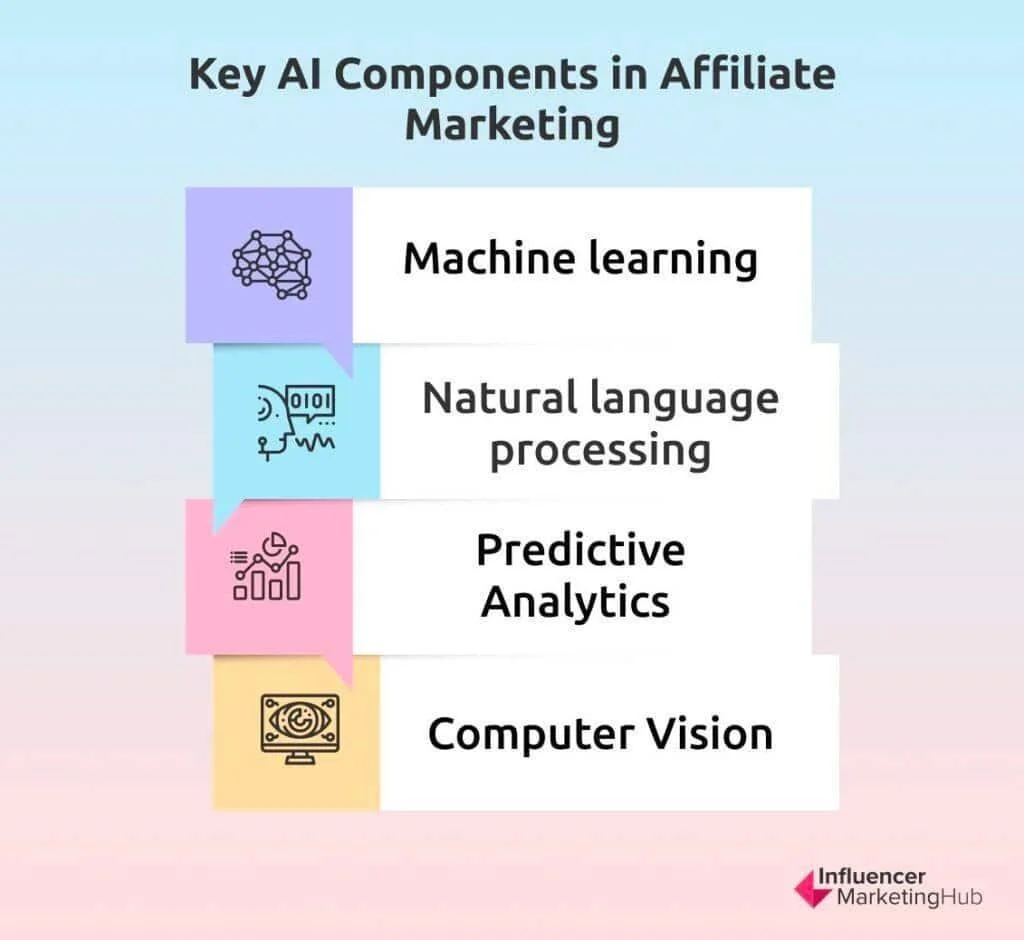
Image source: influencermarketinghub.com.
Limit the Number of Links per Section
Too many links create decision fatigue and reduce impact. Fewer, more intentional links guide attention more effectively.
Why fewer links convert better
- They reduce cognitive overload
- They highlight priority actions
- They feel less promotional
Strategic restraint often leads to higher overall conversions.
Test Different Link Formats
Different audiences respond to different link styles. Testing buttons, text links, or highlighted boxes helps identify what resonates best.
Common affiliate link formats
- Inline text links
- Buttons or banners
- Comparison tables
Small format changes can lead to meaningful conversion gains over time.
Leverage Data and Optimization Techniques
Guesswork limits growth, but data-driven decisions unlock consistent improvements. Tracking performance helps identify what’s working, what’s underperforming, and where small changes can significantly impact conversion rate optimization.
This analytical approach is essential for scaling affiliate marketing strategies sustainably. When you understand user behavior, you can refine content, placement, and messaging to support increasing affiliate sales without relying on more traffic.
Track Clicks and Conversion Metrics
Monitoring performance reveals patterns you can act on quickly. Metrics provide clarity on which pages and offers deserve more attention.
Key metrics to monitor regularly
- Click-through rate (CTR)
- Conversion rate per offer
- Revenue per page
Consistent tracking turns insights into actionable improvements.
A/B Test Headlines and CTAs
Small wording changes can lead to meaningful differences in results. Testing variations helps uncover what motivates your audience most effectively.
Elements worth testing
- Headline phrasing
- CTA wording
- Button placement
Over time, testing compounds into higher overall conversions.
Analyze Content Drop-Off Points
Understanding where users stop reading highlights friction points. Fixing these areas improves engagement and keeps readers moving toward your affiliate links.
Common causes of drop-offs
- Long introductions
- Unclear value propositions
- Poor content structure
Reducing friction keeps readers engaged longer and increases click potential.
Compare Performance Across Content Types
Different formats attract different buyer mindsets. Comparing performance helps prioritize the most effective content styles.
| Content Type | Conversion Potential | Best Use Case |
| Reviews | High | Purchase-ready users |
| Comparisons | Very High | Decision-stage users |
| Educational Guides | Medium | Early research |
Using performance data to guide content strategy leads to smarter scaling and more predictable affiliate growth.
Focus on Traffic Quality Over Traffic Volume
Driving more visitors won’t increase revenue if the audience isn’t aligned with your offer. High-quality traffic—people who already have a problem and are searching for solutions—plays a major role in how to increase affiliate conversions.
Targeting the right users reduces bounce rates and improves conversion rate optimization naturally. When your traffic sources match your content intent, every click becomes more valuable.
This approach supports sustainable growth and long-term affiliate marketing strategies rather than short-lived spikes.
Target High-Intent Keywords
Keywords with commercial or transactional intent attract users closer to making a decision. These visitors are more likely to engage with affiliate links.
Examples of high-intent keyword types
- “Best” or “top” product searches
- Comparison-based queries
- Problem–solution searches
Focusing on intent-driven keywords leads to higher-quality clicks.
Use Audience-Specific Content Angles
Generic content attracts broad audiences but converts poorly. Tailoring content to a specific audience segment improves relevance and trust.
Ways to niche down content
- Address a specific industry or role
- Solve one clear problem per page
- Use language your audience already uses
Specificity increases clarity and conversion potential.

Image source: smallbusinesscoach.org
Align Traffic Sources With Content Type
Different platforms attract users at different stages of awareness. Matching traffic sources to content format improves increasing affiliate sales.
How source alignment impacts conversions
- Search traffic works best for reviews and comparisons
- Social traffic supports awareness and education
- Email traffic converts best for promotions
The right traffic source amplifies the effectiveness of your content.
Avoid Vanity Metrics When Evaluating Performance
High page views don’t always translate to revenue. Measuring meaningful metrics helps you focus on what truly drives conversions.
Metrics that matter more than traffic
- Conversion rate
- Revenue per visitor
- Click-to-sale ratio
Prioritizing quality over quantity leads to more predictable affiliate results.
Conclusion
Increasing affiliate conversions is not about shortcuts—it’s about understanding intent, building trust, and continuously optimizing the experience you create for readers.
When content, placement, and data work together, even small improvements can lead to meaningful, long-term growth.
If you’re wondering what kind of timeline to realistically expect from these strategies, this guide on how long affiliate marketing takes to show results will help you set clear expectations and plan your next steps with confidence.
Increase Affiliate Conversions That Matter.
Apply proven tactics to increase affiliate conversions and drive consistent commission growth.
Trusted by thousands of organizations worldwide


Frequently Asked Questions
How can you increase affiliate conversions without getting more traffic?
Focus on conversion strategy instead of traffic volume. Start by identifying why people click but do not buy, then improve intent match, trust signals, and CTA timing. Small, targeted changes in these areas can turn existing traffic into more consistent affiliate revenue.
Why does buyer intent matter so much for affiliate conversion rates?
Buyer intent matters because conversions rise when content matches what readers are trying to do at that moment—research, compare options, or buy. Content aligned to intent attracts more qualified clicks, and qualified clicks are more likely to convert than broad, low-intent traffic.
What should you do if people click your affiliate links but don’t buy?
Treat it as a message-to-offer alignment problem first. Rework the content so it speaks directly to the reader’s problem and presents the affiliate offer as a natural next step. Then check whether trust and timing are strong enough to move readers from curiosity to confident action.
How should CTA timing be handled to improve affiliate conversions?
Place CTAs when intent and confidence are highest, not just as early as possible. Introduce context first, build trust, and then present the recommendation when it feels like a logical next action. Timing works best when the CTA matches the reader’s stage in the decision process.
What trust elements help affiliate recommendations convert better?
Use transparent, problem-focused recommendations that feel helpful rather than forced. Conversions improve when readers can see the recommendation is relevant to their situation and delivered at the right moment. Trust grows when the content clearly connects the problem, the solution, and the reason the offer fits.
What is a simple intent-based content framework for better affiliate conversions?
Map your content to three intent stages: researching, comparing, and ready-to-buy. For each stage, match the message and CTA to the reader’s goal. This structure helps move readers forward naturally and increases the chance that clicks come from people prepared to take action.