

Non-profits are under increasing pressure to do more with limited resources, and AI for non-profits is emerging as a powerful way to scale impact without scaling costs.

Make Money With AI
Join our Partner Programs!
Boost your reputation, drive revenue and grow your business with CustomGPT.ai.
From automating administrative work to uncovering insights hidden in data, AI gives mission-driven organizations the ability to focus more energy on the people and causes they serve.
This is where agencies and IT providers can step in as meaningful partners for change, translating advanced AI tools into practical, ethical solutions for social good.
By aligning technical expertise with purpose-driven goals, service providers can help non-profits adopt AI responsibly while maximizing transparency, efficiency, and real-world impact.
Understanding AI’s Role in the Non-Profit Sector
Non-profit organizations are increasingly exploring AI adoption to overcome constraints around staffing, funding, and data management. For agencies and IT providers, this creates an opportunity to guide mission-driven teams through digital transformation in a way that is practical, ethical, and aligned with impact.
By positioning AI as an enabler rather than a disruption, partners can help non-profits modernize operations while staying focused on trust, transparency, and community outcomes.
This foundation is critical before introducing tools for fundraising automation, service delivery, or analytics.
Aligning AI Capabilities With Mission Goals
AI initiatives succeed in non-profits when technology decisions are tied directly to organizational purpose. Partners should begin by translating mission objectives into measurable, AI-supported outcomes.
How partners can create mission alignment
- Map program goals to specific operational or data challenges
- Identify where AI can reduce manual effort without compromising values
- Prioritize use cases that directly improve beneficiary or donor experiences
When AI supports the mission first, buy-in and long-term success follow naturally.
Identifying High-Impact Use Cases Early
Not every process needs AI, especially for resource-constrained organizations. Agencies add value by identifying small, high-impact opportunities that demonstrate quick wins.
Early AI opportunities to explore
- Fundraising automation for donor segmentation and outreach timing
- AI-powered reporting to reduce administrative overhead
- Predictive insights to improve program planning and resource allocation
Starting small builds confidence and sets the stage for broader AI adoption.
Establishing Ethical and Responsible AI Practices
Trust is foundational in the non-profit sector, making ethical AI a non-negotiable priority. Partners must help organizations understand risks around bias, data privacy, and transparency before deploying solutions.
Key ethical AI considerations
- Ensure data sources are consent-based and well-documented
- Avoid black-box models that cannot be clearly explained to stakeholders
- Implement human oversight for critical decisions affecting communities
Responsible AI practices protect both the organization’s reputation and the people it serves.
Improving Fundraising and Donor Engagement With AI
Fundraising is one of the most impactful areas where AI can help non-profits grow sustainably without overwhelming internal teams. Agencies and IT providers can guide organizations toward smarter, data-driven fundraising strategies that deepen donor relationships while reducing manual effort.
When implemented thoughtfully, AI-driven fundraising tools allow non-profits to personalize outreach, predict donor behavior, and optimize campaigns—turning limited data into actionable insight that directly supports mission growth.

Image source: techsur.solutions
Using AI to Personalize Donor Outreach
Generic messaging often leads to disengagement, especially in competitive fundraising environments. AI enables non-profits to tailor communication based on donor interests, history, and engagement patterns.
Ways AI enhances donor personalization
- Segment donors based on giving behavior and interests
- Customize email and campaign messaging at scale
- Identify the best timing and channels for outreach
Personalized experiences increase donor trust and long-term retention.
Predicting Donor Behavior and Giving Trends
AI models can analyze historical data to uncover patterns that humans may miss. AI Partners can help non-profits use predictive analytics to make smarter fundraising decisions.
Predictive fundraising applications
- Identify donors most likely to give again
- Forecast campaign performance and revenue potential
- Spot early signs of donor churn
These insights allow teams to act proactively rather than reactively.
Automating Fundraising Operations
Manual fundraising processes slow down growth and strain staff capacity. AI-powered automation frees teams to focus on relationship-building instead of repetitive tasks.
Fundraising tasks suited for automation
- Data entry and donor record updates
- Follow-up reminders and thank-you communications
- Performance tracking and reporting
Automation improves efficiency while maintaining a human-centered donor experience.
Enhancing Transparency and Reporting for Stakeholders
Donors increasingly expect clarity on how funds are used and what impact they create. AI-supported analytics make it easier for non-profits to communicate results clearly and consistently.
Benefits of AI-driven fundraising reporting
- Real-time dashboards for campaign performance
- Clear impact summaries for donor updates
- Data-backed storytelling for grant applications
Stronger reporting builds credibility and encourages continued support.
Streamlining Operations and Internal Workflows With AI
Operational efficiency is a persistent challenge for non-profits balancing limited budgets with growing demands. Agencies and IT providers can introduce AI solutions that simplify internal workflows, allowing teams to focus more on mission-critical work and less on administrative burden.
By modernizing back-office processes, partners help organizations create scalable systems that support long-term sustainability. These operational gains often become the foundation for broader digital transformation across programs and departments.
Automating Administrative and Repetitive Tasks
Many non-profits rely on manual processes that consume valuable staff time. AI automation can significantly reduce this workload while improving accuracy and consistency.
Operational tasks ideal for AI automation
- Invoice processing and expense categorization
- Volunteer onboarding and scheduling
- Internal reporting and documentation generation
Reducing repetitive work improves staff morale and productivity.
Improving Data Management and Accessibility
Data is often fragmented across tools, making it difficult for teams to find or use information effectively. AI-powered data management helps non-profits organize and access insights more easily.
How AI improves data workflows
- Clean and standardize data across systems
- Enable natural-language search for internal databases
- Surface insights without technical expertise
Better data accessibility leads to faster and more informed decisions.
Supporting Decision-Making With Predictive Insights
Operational decisions often rely on intuition rather than evidence due to time constraints. AI provides predictive insights that help leaders plan resources more effectively.
AI-driven operational insights
- Forecast staffing and volunteer needs
- Anticipate budget shortfalls or overspending
- Identify inefficiencies across departments
Data-backed decisions reduce risk and improve organizational resilience.
Strengthening Collaboration Across Teams
Disconnected teams can slow down execution and dilute impact. AI-enabled collaboration tools help non-profits align efforts across departments and locations.
Ways AI enhances collaboration
- Smart task prioritization and workflow routing
- Automated knowledge sharing across teams
- AI-assisted meeting summaries and action items
Improved collaboration ensures everyone is working toward the same goals.
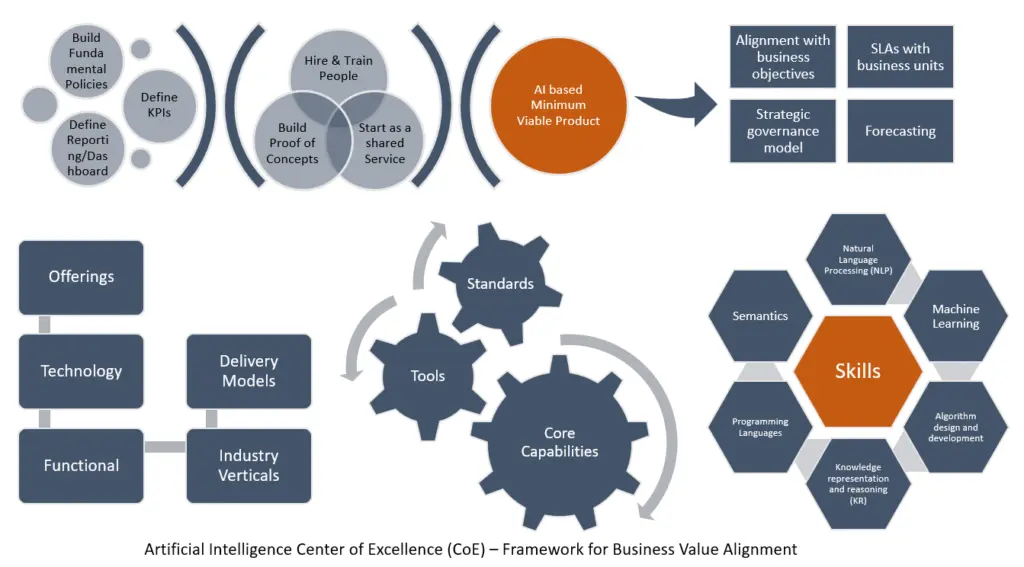
Image source: medium.com
Enhancing Program Delivery and Community Impact With AI
Beyond fundraising and operations, AI has the potential to significantly improve how non-profits deliver programs and services to their communities. Agencies and IT providers can help organizations apply AI in ways that increase reach, improve outcomes, and adapt services to real-world needs.
When AI is integrated into program delivery thoughtfully, it becomes a force multiplier—helping non-profits serve more people with greater precision while maintaining empathy and human oversight.
Using AI to Better Understand Beneficiary Needs
Effective programs start with a deep understanding of the communities being served. AI can analyze qualitative and quantitative data to reveal patterns that inform better program design.
How AI supports needs assessment
- Analyze survey responses and feedback at scale
- Identify unmet needs or service gaps
- Track changing community trends over time
Stronger insights lead to programs that are more relevant and impactful.
Personalizing Services at Scale
Many non-profits aim to tailor services but lack the resources to do so consistently. AI enables personalization without adding operational complexity.
Examples of AI-driven personalization
- Adaptive learning paths for education programs
- Customized support recommendations for beneficiaries
- Language and accessibility enhancements through AI tools
Personalized services improve engagement and long-term outcomes.
Measuring Program Impact More Effectively
Demonstrating impact is essential for accountability and funding, yet impact measurement can be resource-intensive. AI simplifies data collection and analysis across programs.
AI-powered impact measurement benefits
- Automated data aggregation from multiple sources
- Real-time tracking of key performance indicators
- Clear visualization of outcomes for stakeholders
Better measurement strengthens credibility and continuous improvement.
Scaling Programs Without Sacrificing Quality
Growth often introduces complexity that strains non-profit teams. AI helps organizations scale programs while maintaining consistency and quality.
Ways AI supports scalable program delivery
- Standardize service workflows across locations
- Monitor performance variations automatically
- Flag issues before they affect beneficiaries
Scalable systems ensure growth does not come at the cost of impact.
Building Long-Term AI Partnerships With Non-Profits
Successful AI initiatives in the non-profit sector are rarely one-off projects; they are the result of ongoing collaboration and trust. Agencies and IT providers that position themselves as long-term partners—rather than vendors—can help organizations evolve their AI capabilities as needs, data, and funding change.
By focusing on education, adaptability, and shared accountability, partners can ensure AI investments remain effective, ethical, and aligned with mission impact over time. This approach is especially important when supporting AI for non-profits that may have limited internal technical expertise.
Educating Teams and Building AI Confidence
Non-profit teams are more likely to embrace AI when they understand how it works and how it supports their goals. Partners should prioritize enablement alongside implementation.
Ways to build internal AI confidence
- Provide plain-language training and documentation
- Offer hands-on workshops tied to real workflows
- Clarify where human oversight is essential
Education reduces resistance and empowers teams to use AI responsibly.
Designing Scalable and Flexible AI Solutions
Non-profits grow, pivot, and adapt based on funding and community needs. AI systems should be designed with flexibility in mind to avoid costly rework later.
Key principles for scalable AI design
- Modular tools that can expand over time
- Integration-friendly systems that work with existing platforms
- Clear upgrade paths as data maturity improves
Flexible solutions protect long-term value and sustainability. 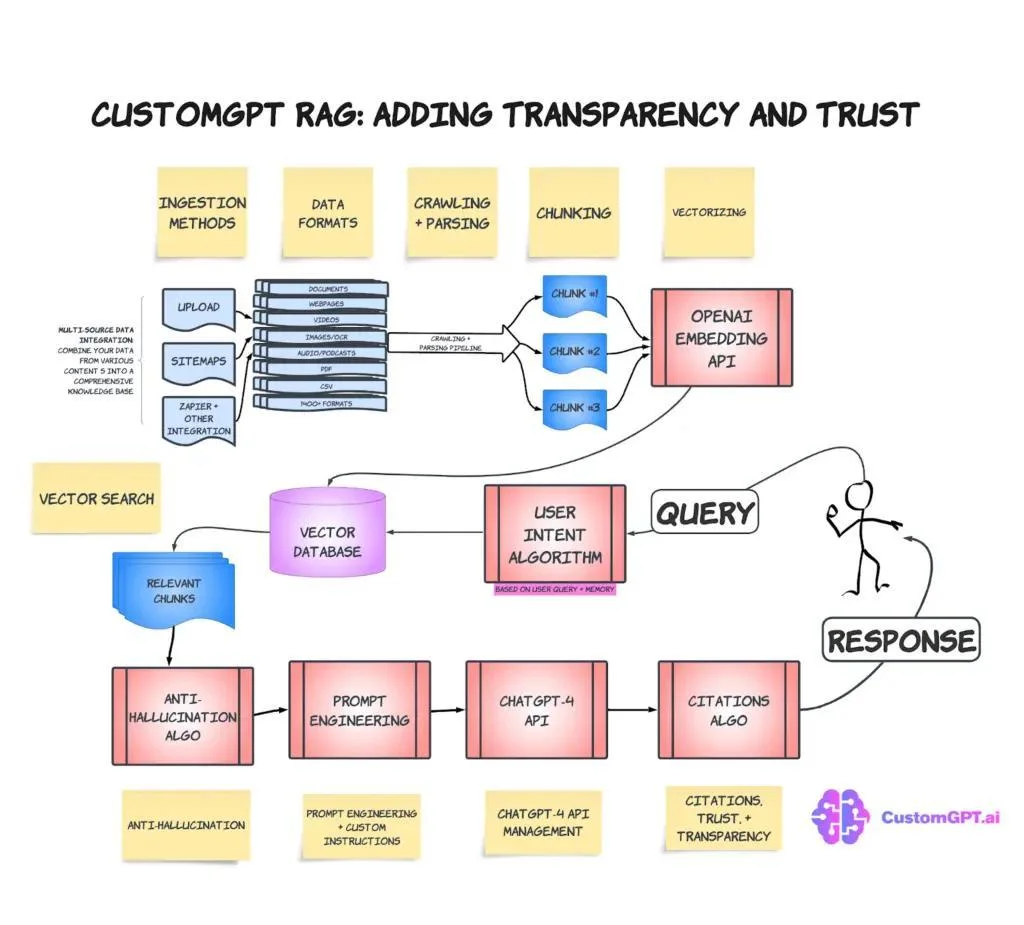
Supporting Change Management and Adoption
Even the best AI tools fail without proper adoption. Agencies can add significant value by helping non-profits manage the human side of change.
Change management best practices
- Set realistic expectations around AI capabilities
- Introduce AI in phases rather than all at once
- Collect feedback and adjust implementations continuously
Strong adoption strategies ensure AI becomes part of daily operations, not shelfware.
Measuring Success and Continuously Optimizing
AI performance should be reviewed regularly to ensure it continues delivering value. Partners can help define success metrics that go beyond cost savings.
| Focus Area | What to Measure | Why It Matters |
| Fundraising | Donor retention and engagement | Indicates relationship strength |
| Operations | Time saved and error reduction | Reflects efficiency gains |
| Programs | Outcome consistency and reach | Shows mission impact |
Ongoing measurement enables continuous improvement and reinforces trust between partners and non-profits.
FAQ
Q: Are there risks in using AI in the non-profit sector?
A: Risks include data privacy issues, algorithmic bias, and lack of transparency. Poorly implemented AI can undermine trust with donors or communities. Clear governance and human oversight are essential safeguards.
Q: What is the difference between automation and AI in non-profits?
A: Automation follows predefined rules to complete tasks, while AI learns patterns from data to make predictions or recommendations. Both can improve efficiency, but AI introduces additional complexity and risk. Not every process requires AI.
Q: What guardrails should be in place before deploying AI?
A: Guardrails include data privacy policies, bias testing, and clear accountability structures. Non-profits should define where human review is required. Regular audits help maintain trust and compliance.
Q: What role does human oversight play in AI for non-profits?
A: Human oversight ensures AI outputs are interpreted correctly and ethically. It is especially important in decisions affecting people or funding. AI should support, not replace, human judgment.
Conclusion
AI for Good is not about replacing human judgment—it’s about equipping non-profits with smarter tools to amplify their mission.
When agencies and IT providers apply AI thoughtfully, with strong ethical guardrails and clear goals, non-profits can unlock better fundraising outcomes, smoother operations, and more measurable program impact.
For organizations looking to take the next step, accessible and cost-conscious AI solutions make it possible to experiment responsibly and scale over time. Exploring affordable AI options designed specifically for non-profits and educational institutions can be a practical starting point.
Use AI to Power Non-Profit Impact.
Apply AI for non-profits to help organizations scale impact with limited resources.
Trusted by thousands of organizations worldwide


